Predators in Africa
Everyone who travels to Africa and goes on safari wants to see the large predators: lion, leopard, cheetah, etc. Many consider them the most appealing wild animals in Africa, because they’re powerful and dangerous. Of course, it’s always a matter of personal taste which animals are the most interesting or beautiful, but it’s a fact that even after many trips to Africa, my heart still beats a little faster when I encounter one of the large predators.
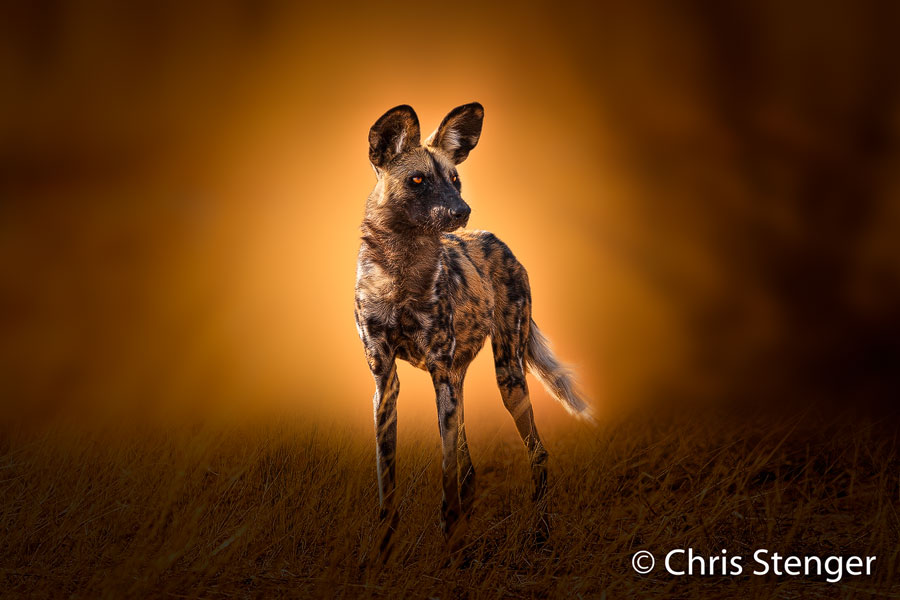
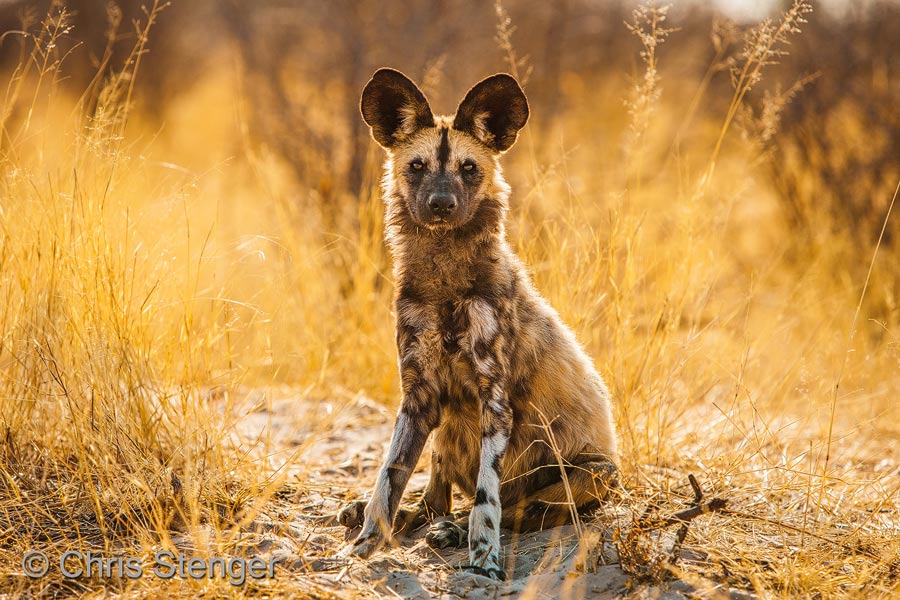
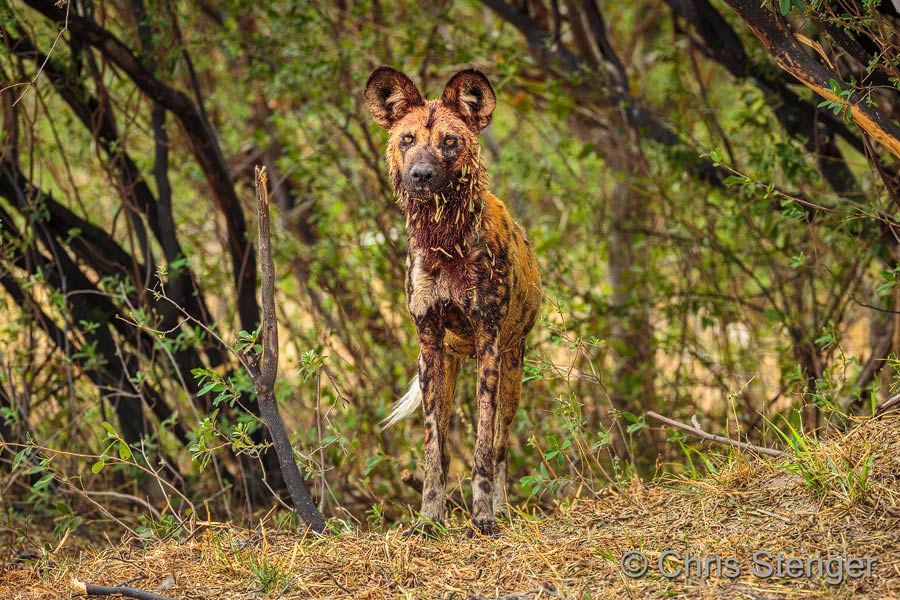
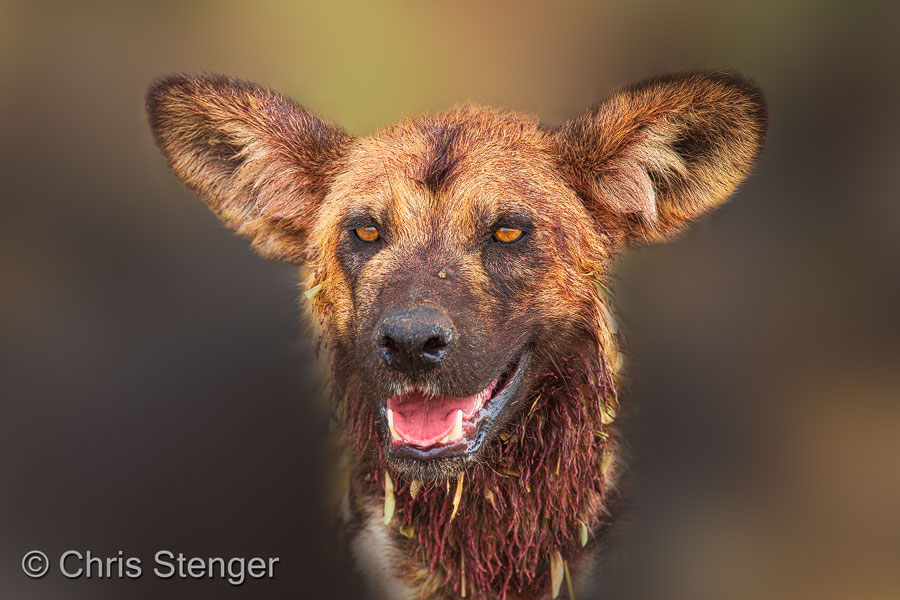
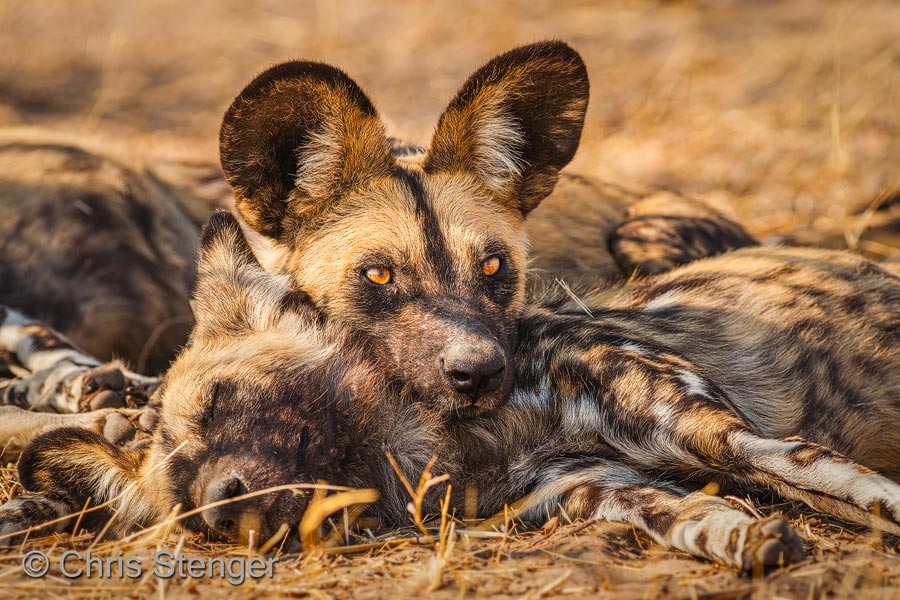
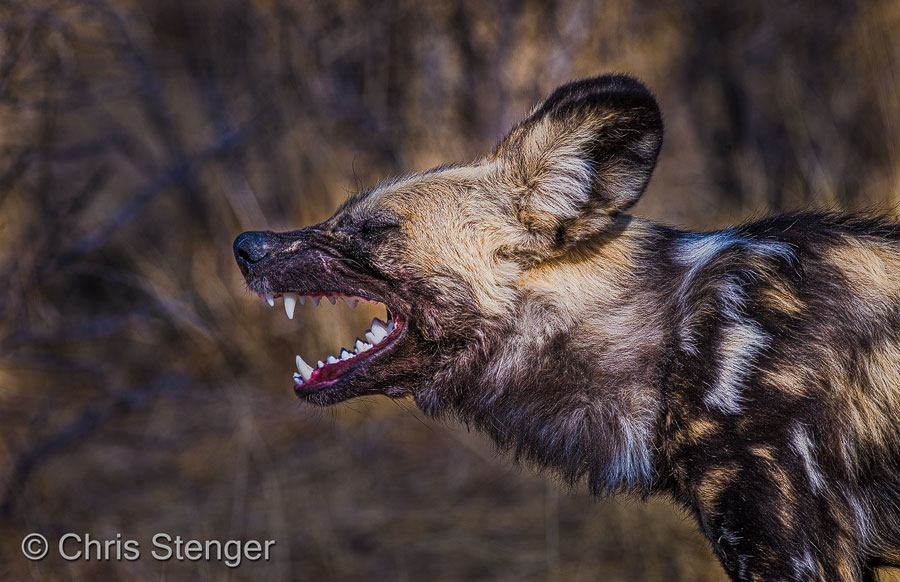
African Wild Dogs; the most successful predators
Wild dogs are one of the smaller large predators in Africa; interesting for a photographer because they are often active during the day. This way they avoid lions, which usually sleep during the day. Wild dogs are extremely efficient hunters, succeeding in over 80% of their hunts, which is a high percentage compared to e.g. lions, which are only successful in 10-20% of their hunts. Unfortunately, Wild dogs are critically endangered, and capturing them in front of a camera is not easy.
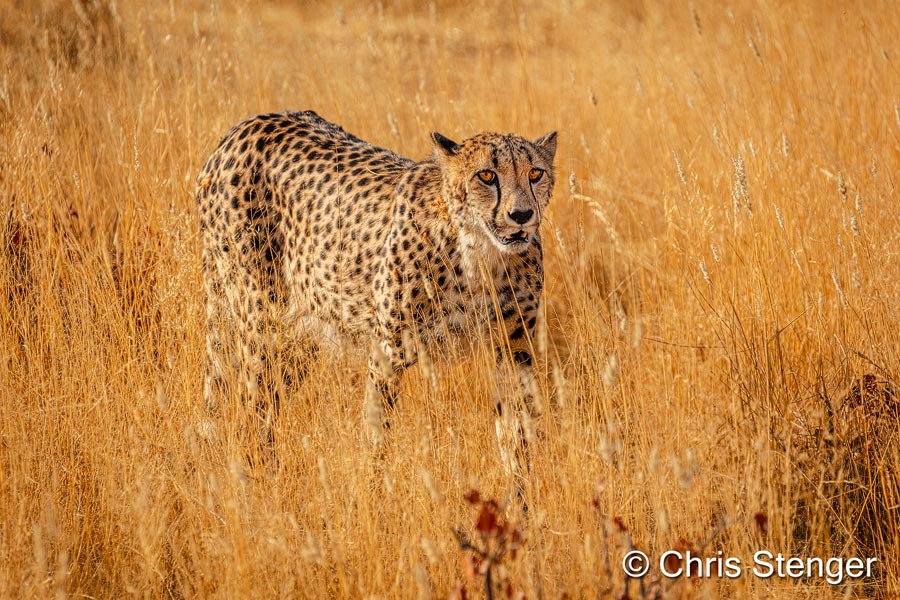
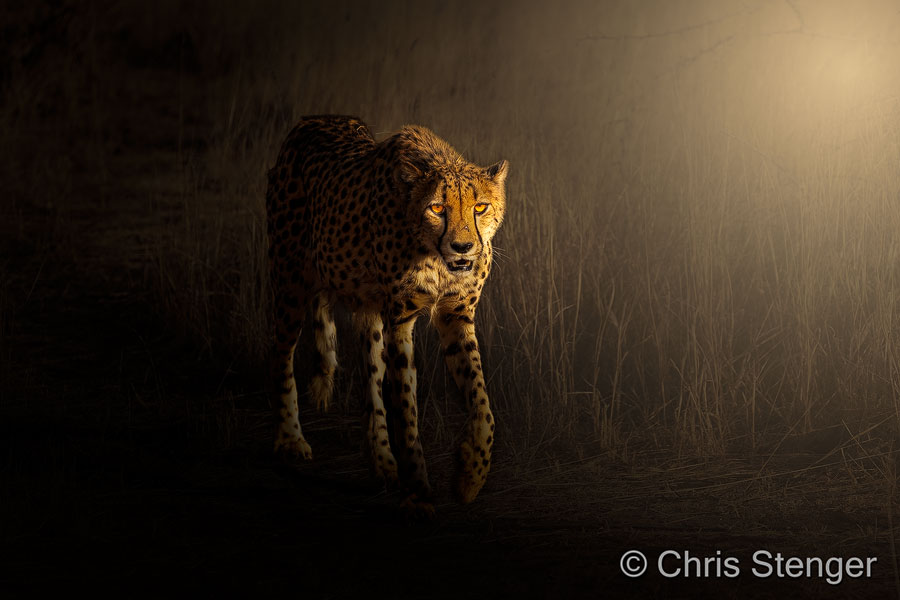
Cheetahs; the fastest on the savanna
Like wild dogs, cheetahs are primarily active during the day to avoid confrontations with other large predators. Unfortunately, you rarely encounter them, because they are also seriously endangered.
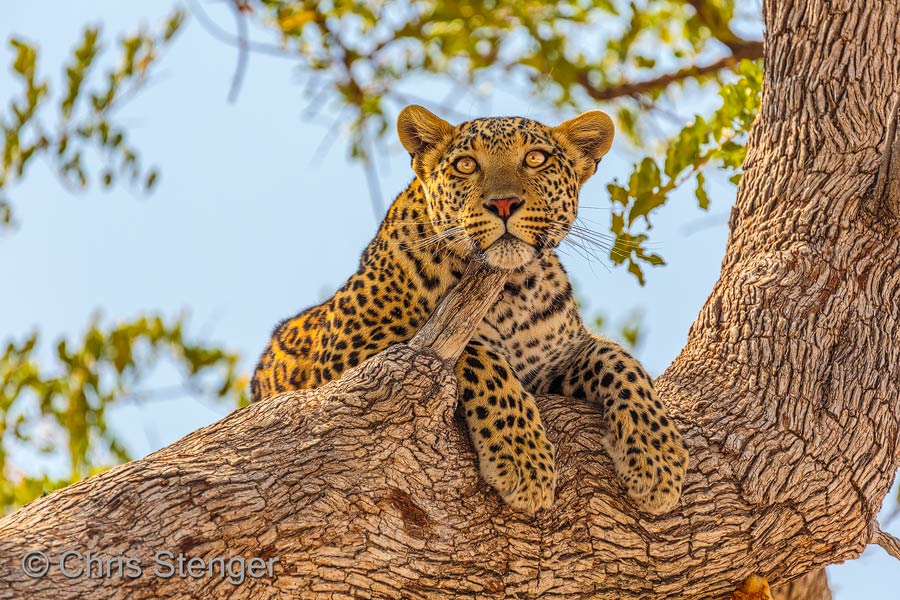
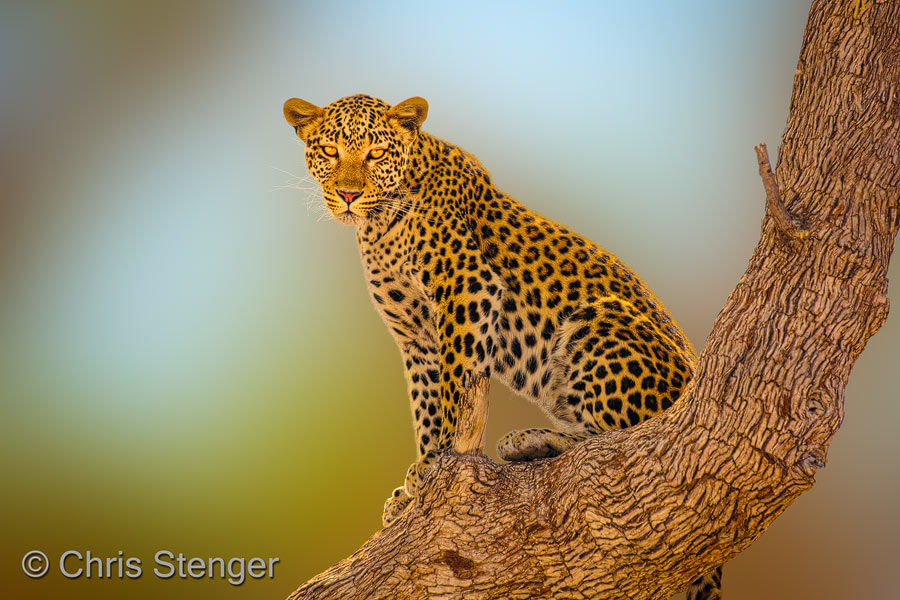
Leopards; predators in the trees
Leopards are somewhat elusive predators, as they often lie high in trees to avoid confrontations with their main enemy, the lion. Finding a leopard essentially requires looking up all day, which is quite challenging, considering all the other interesting animals roaming the ground.
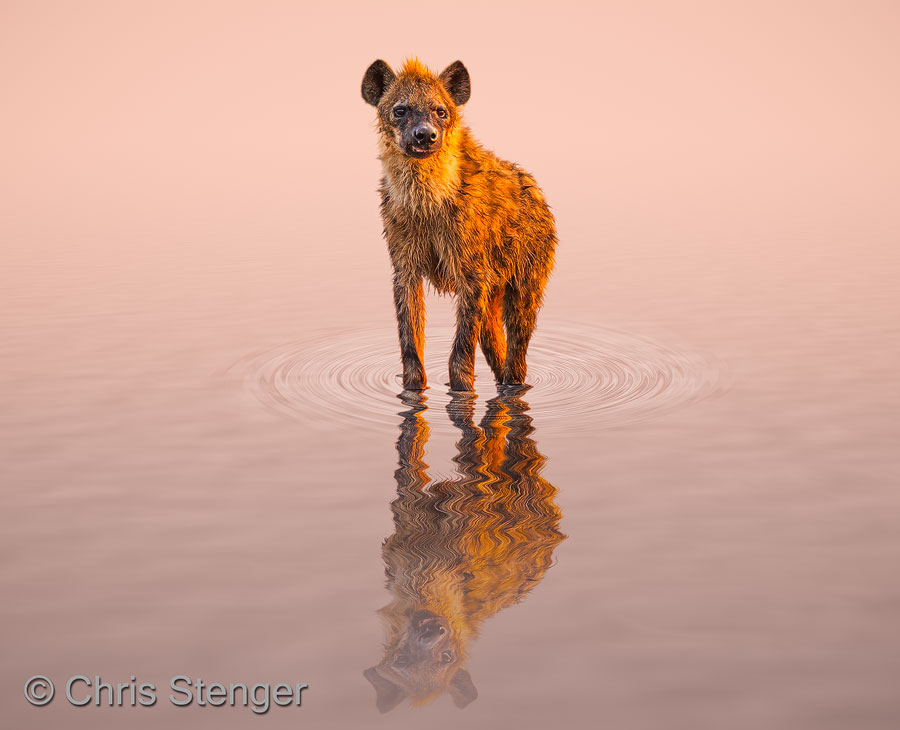
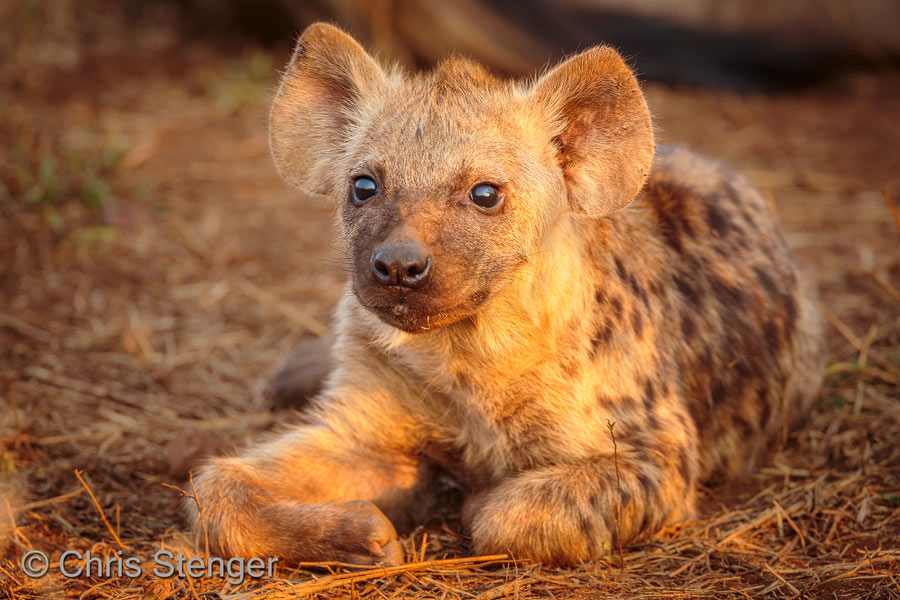
Hyena’s; predator or scavenger?
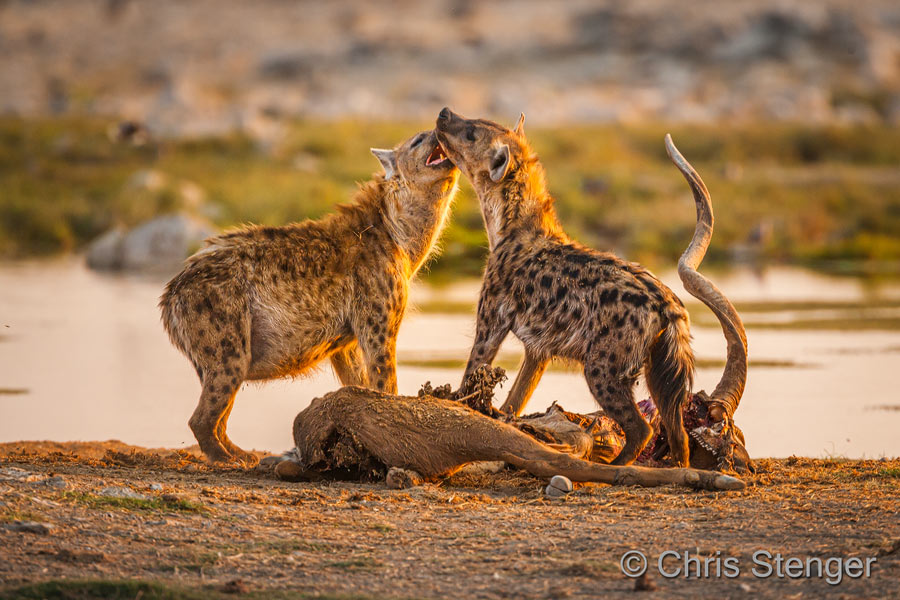
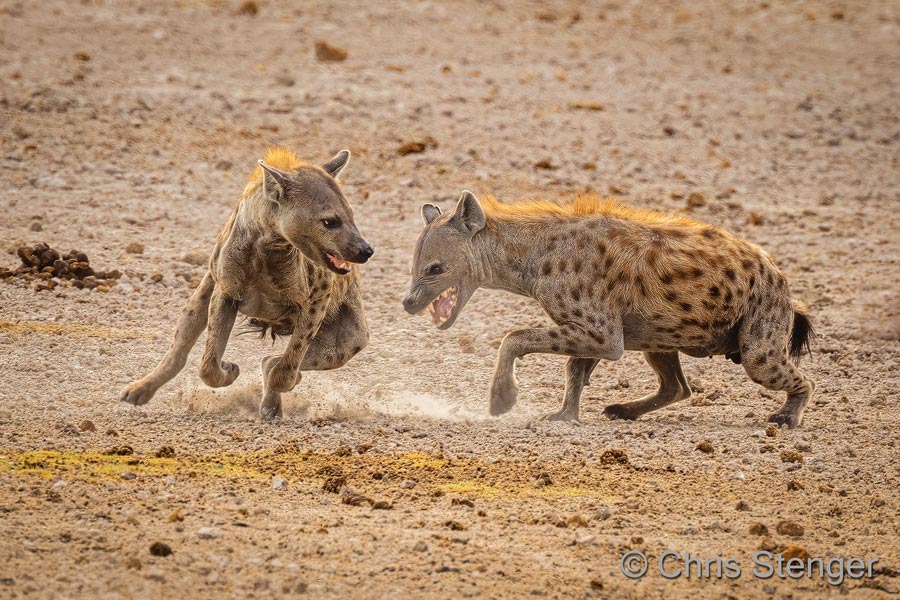
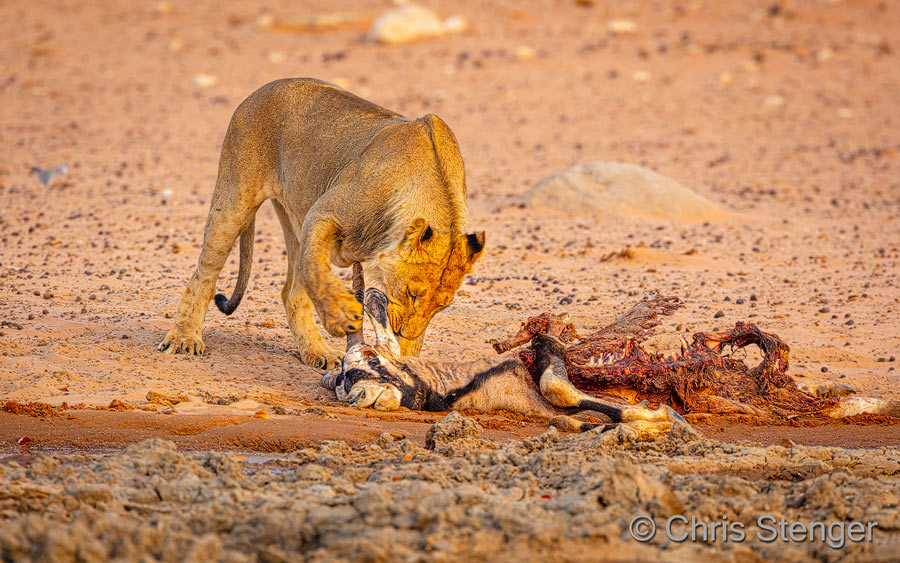
Hyenas are not the most popular animals with visitors to Africa. They appear untrustworthy and are said to eat only carrion they steal from other animals. This is an unfounded myth, because as social animals, Hyenas exhibit interesting social behavior. And regarding carrion eating: research has shown that Hyenas catch more prey themselves than Lions. It’s actually the other way around; lions, in particular, steal prey from Hyenas.
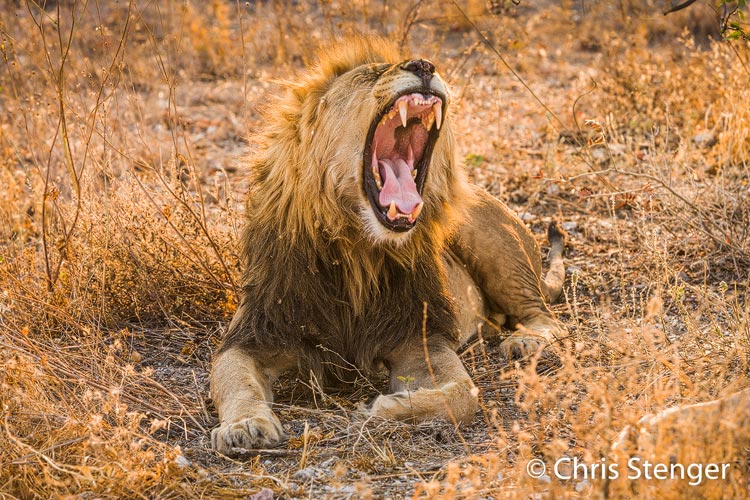
Lions; sleeping kings of the wilderness
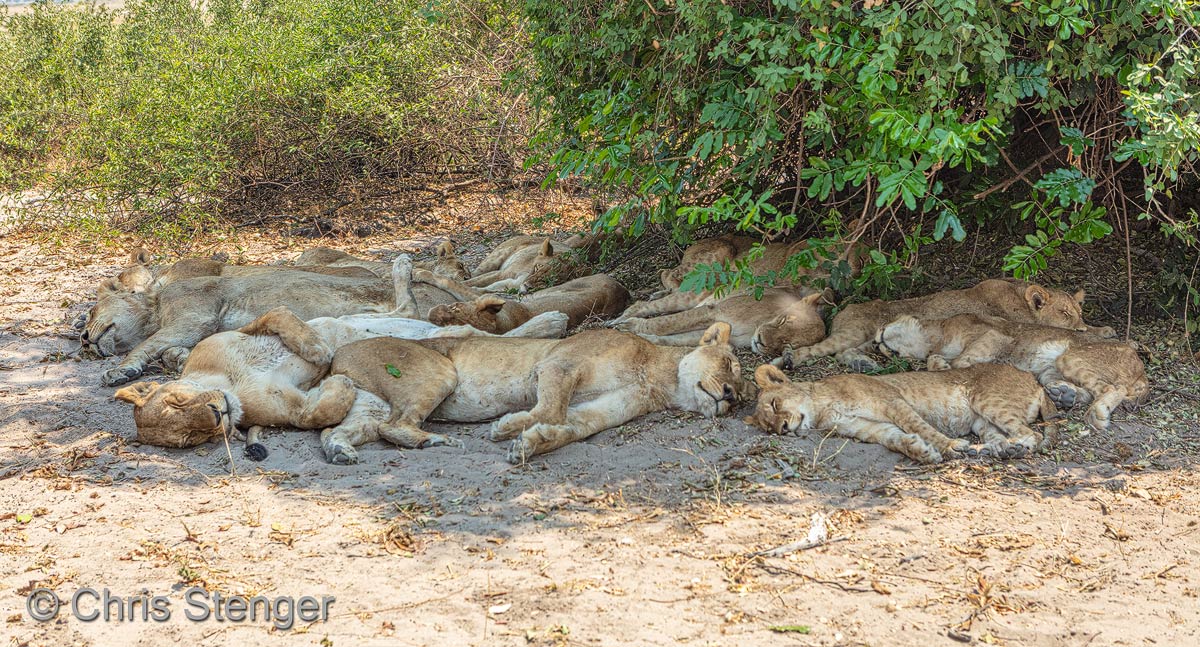
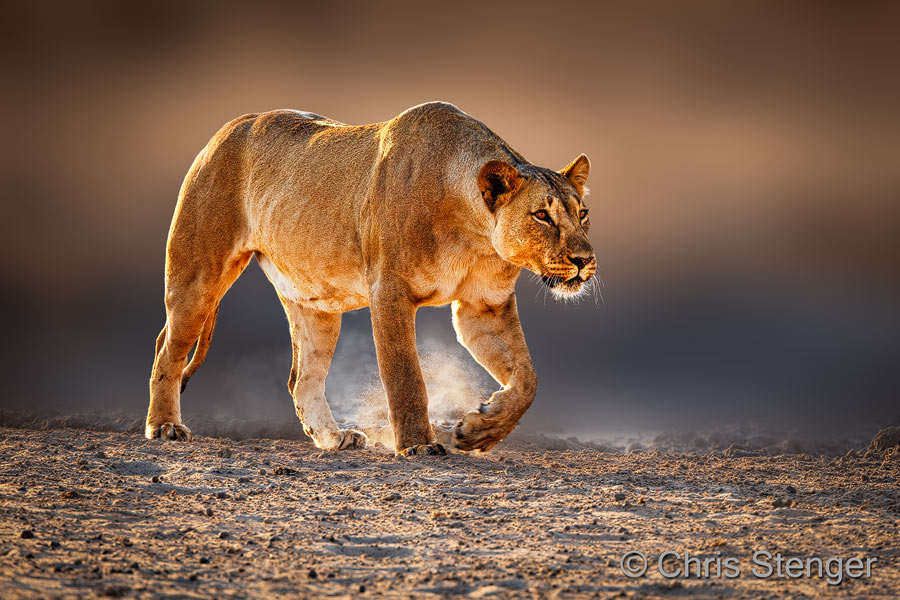
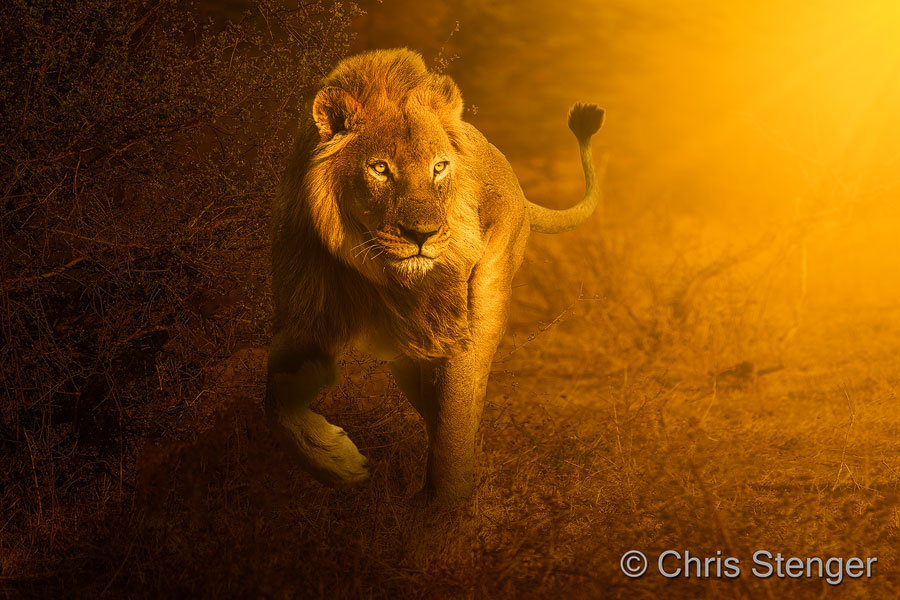
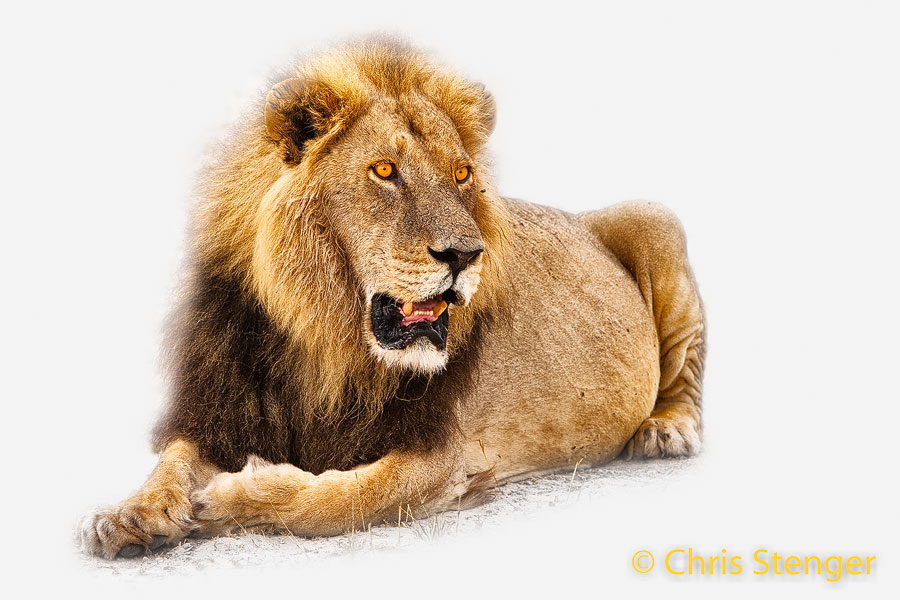
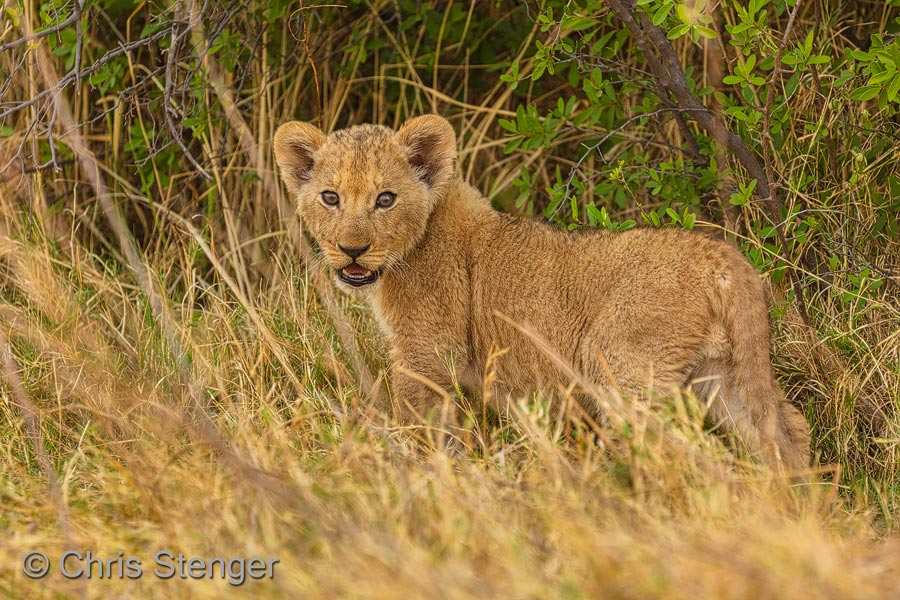
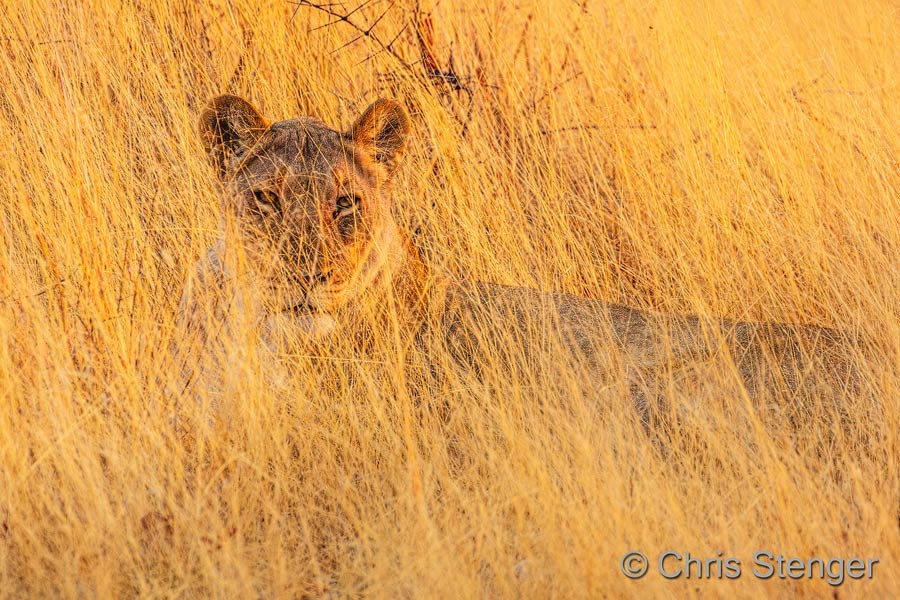
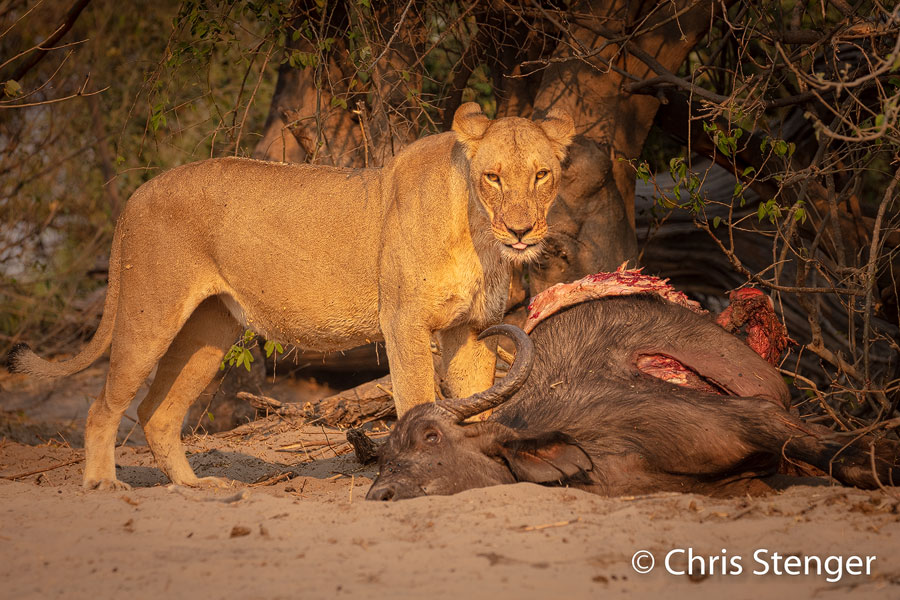
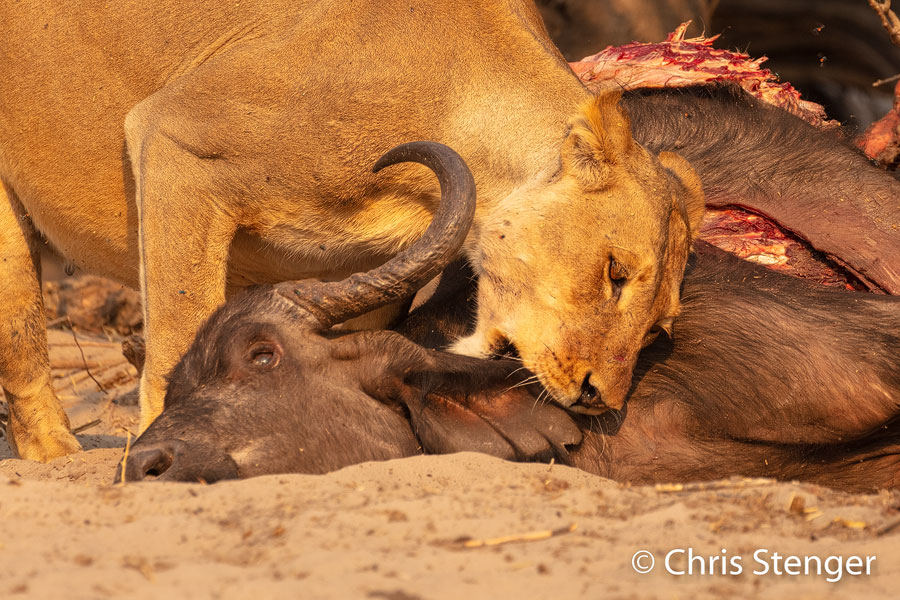
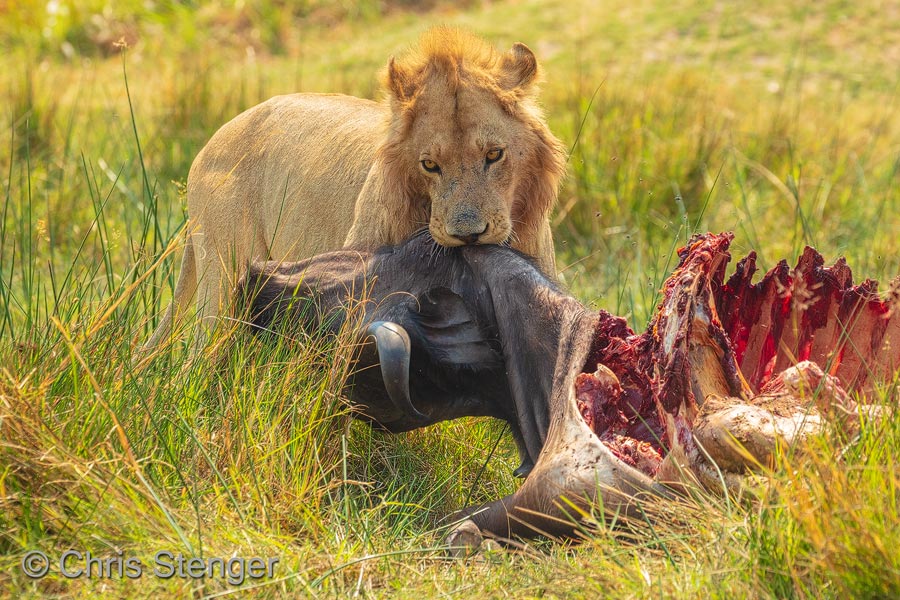
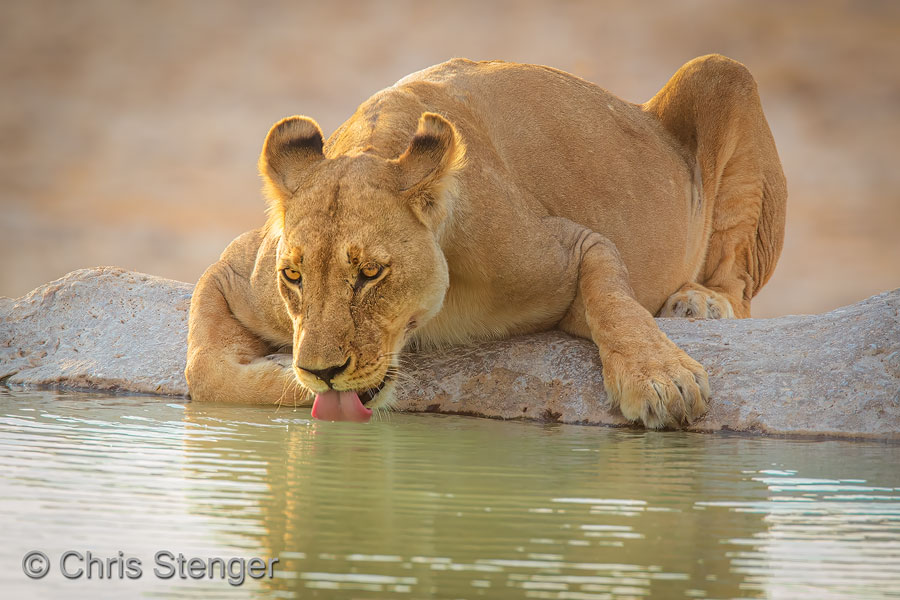
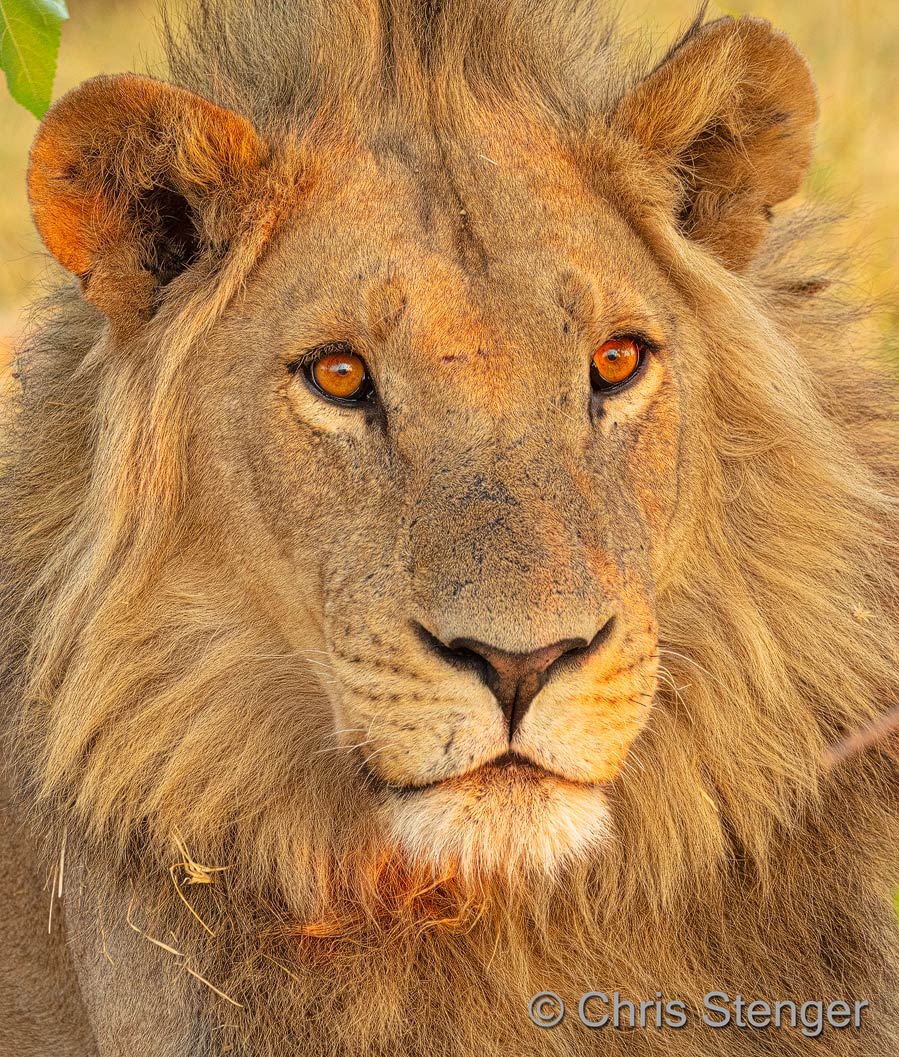
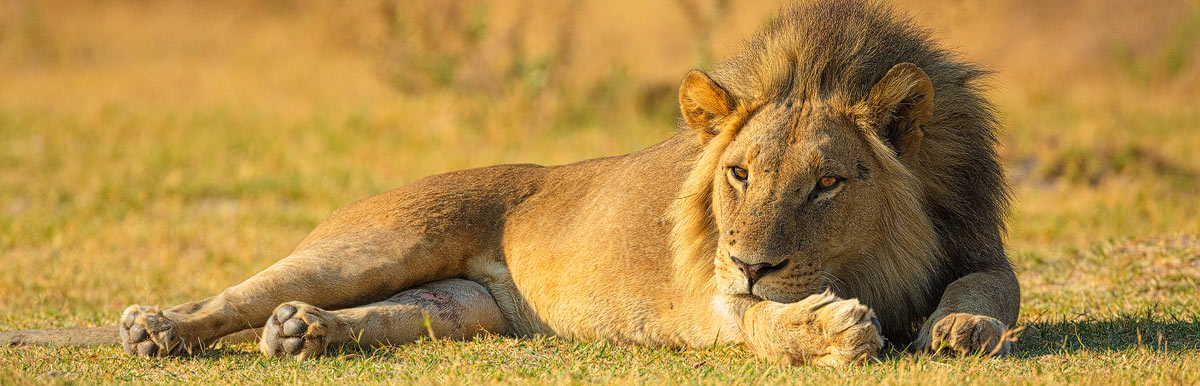
Lions are supposedly the rulers or kings of the wilderness. Unfortunately, the king of the wilderness usually spends most of the day sleeping and there’s little interesting to see or photograph. They only become active in the evening. So with these predators you need a bit of luck to capture interesting photos.
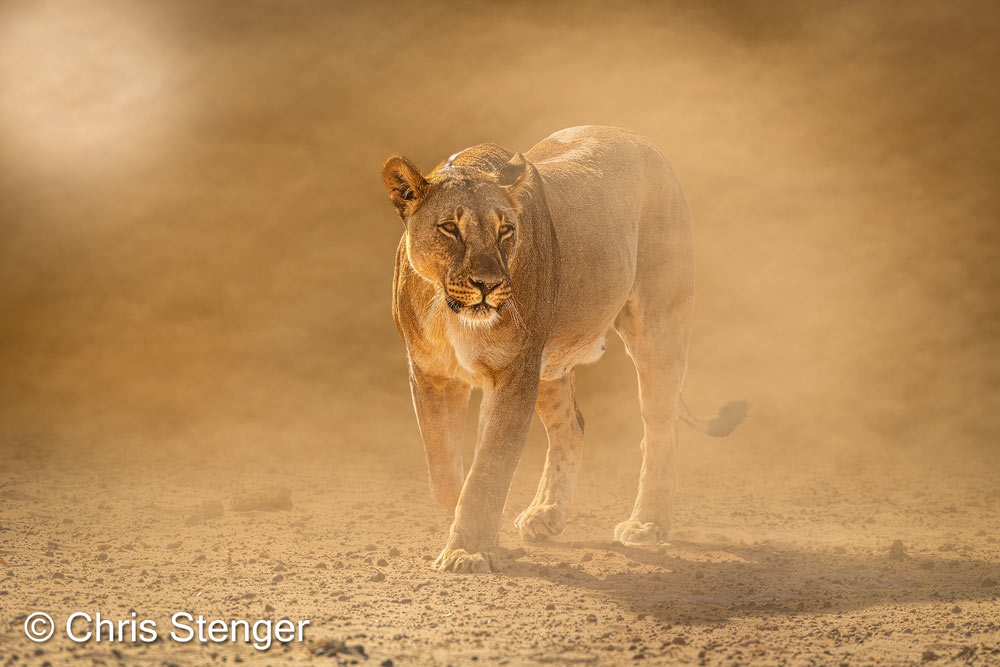
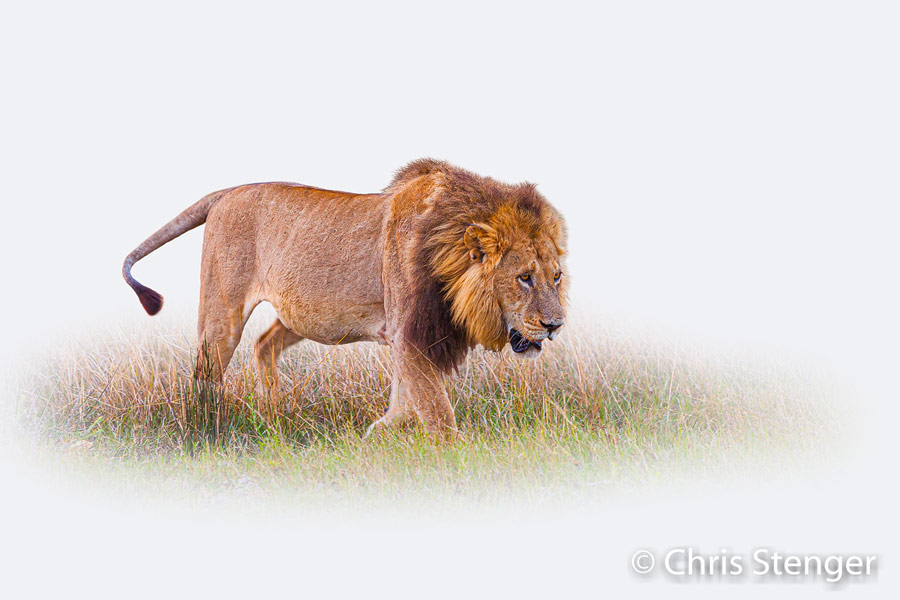
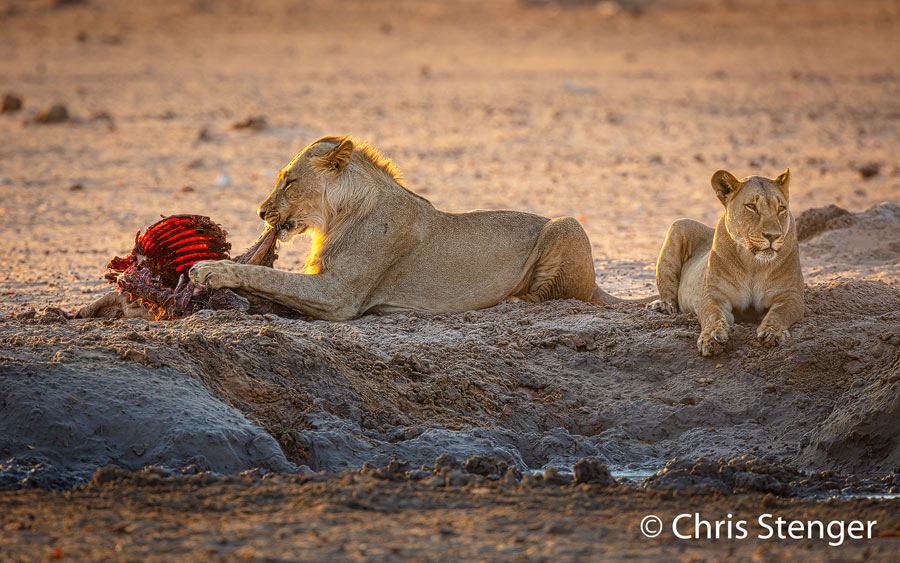
Lions; social animals
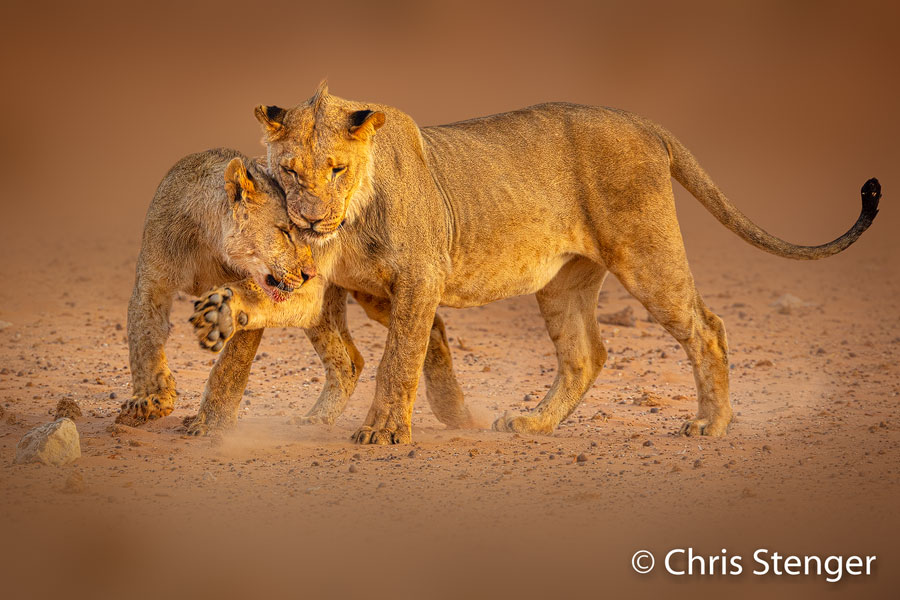
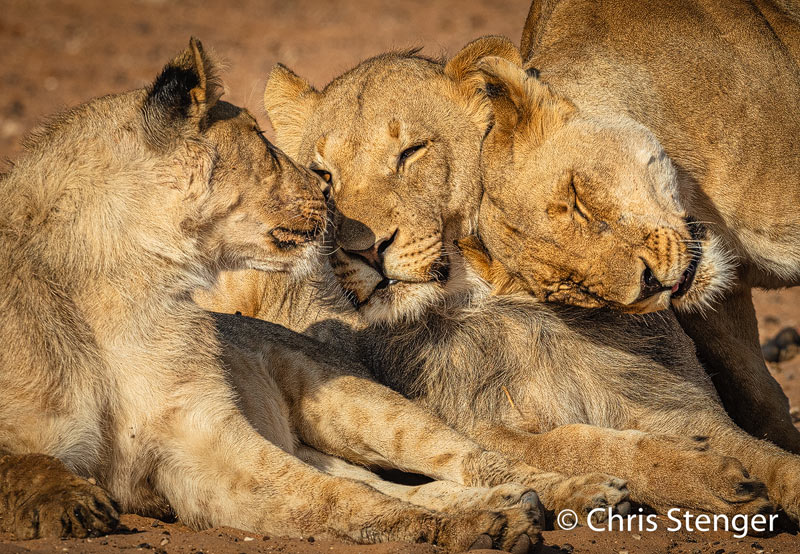
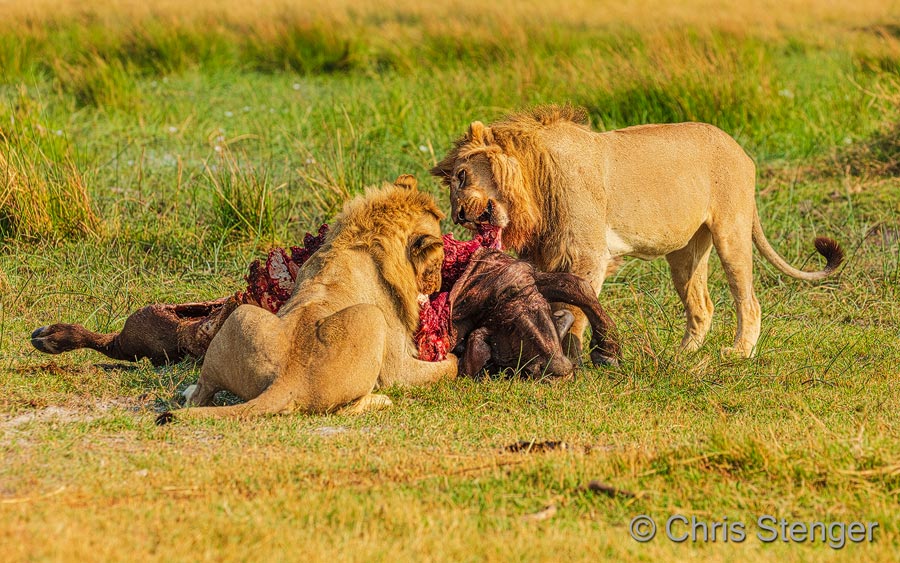
Lions are social animals that usually live in groups. My best Lion memories are of the moments when they display their social behavior: playing, fighting, licking each other, and so on. A problem for a photographer is that every tourist is looking for lions. In the more busy national parks this often leads to traffic jams when one is found. For example, in Etosha National Park, Namibia, I once stood watching a group of lions. In the beginning we were alone, but within half an hour about 100 cars parked around us. There wasn’t much to see, and pretty soon we wanted to move on. Impossible, because we were completely surrounded by all the cars. Only when the lions left an hour later could we continue on our way. Tourist madness on safari, in other words.
Sea Lions; predators of the ocean
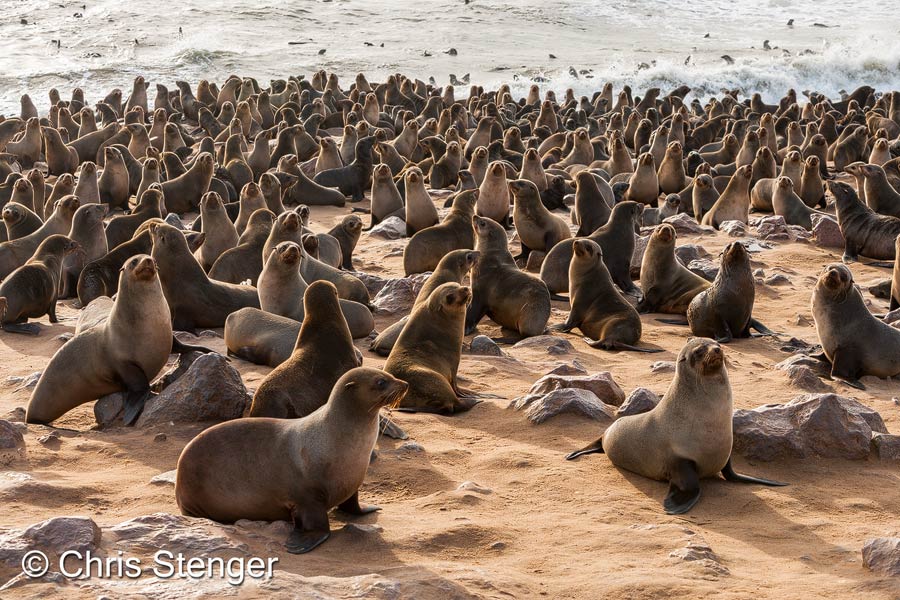
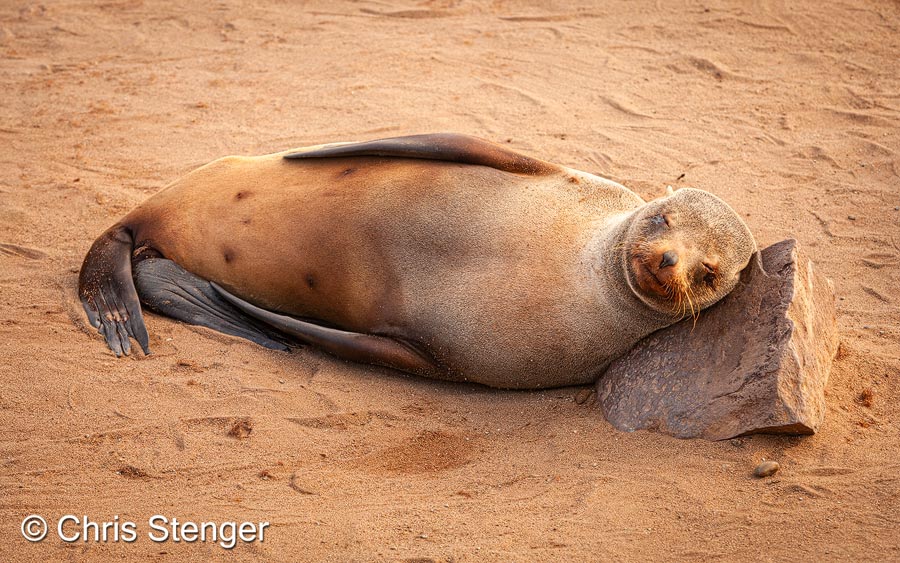
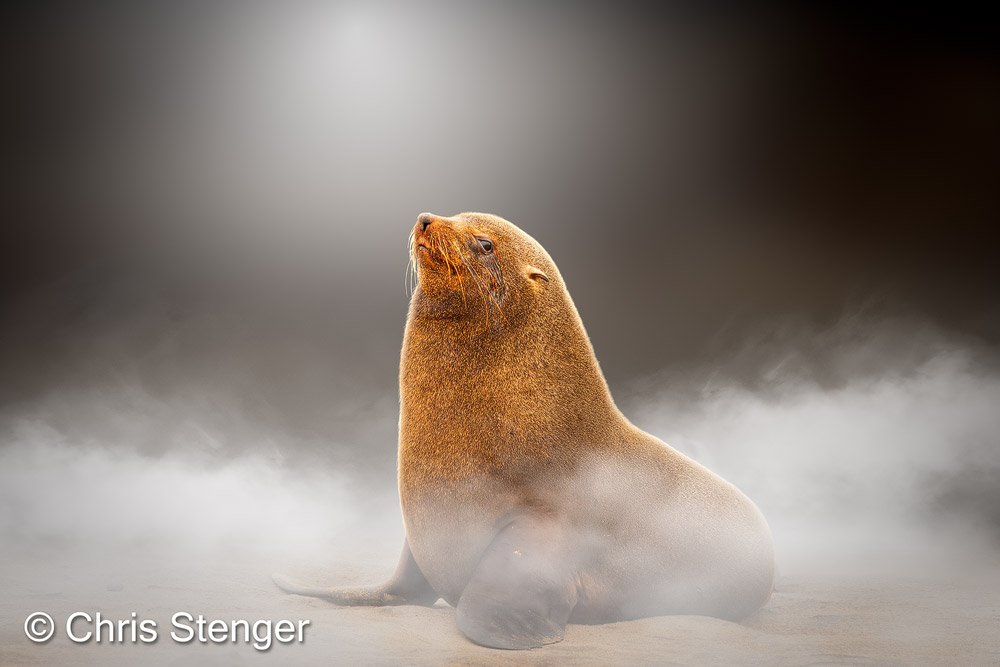
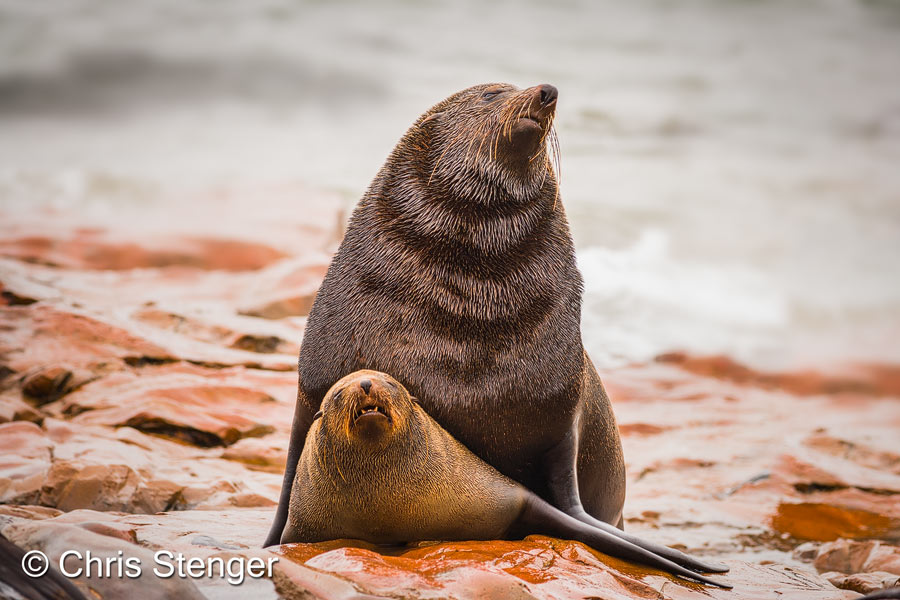
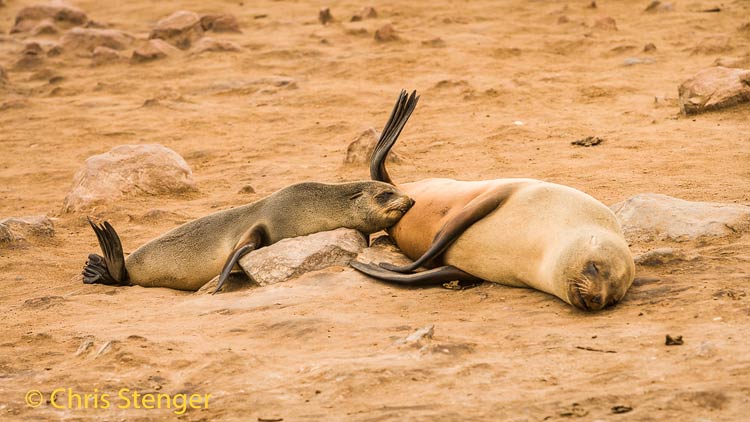
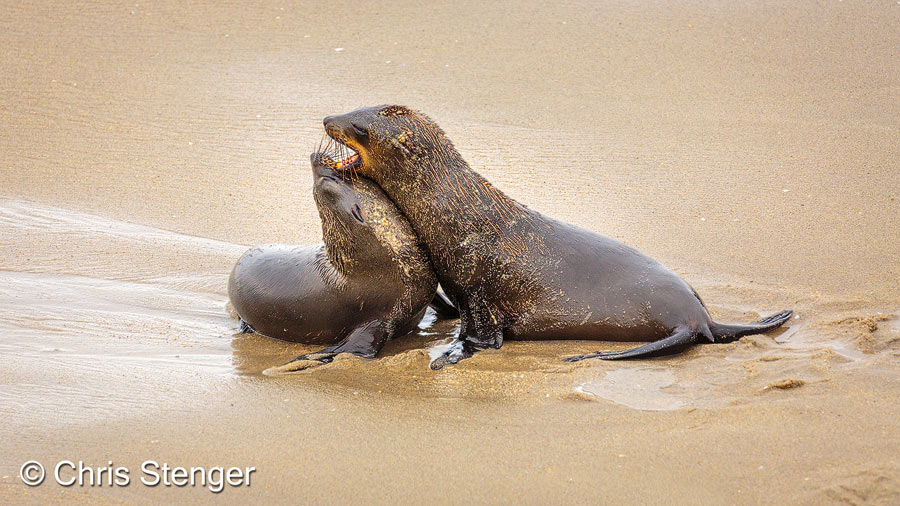
When people think of predators in Africa, they usually think of Lions, Leopards, etc., and not so much of Sea lions. Yet, the Sea lions or Cape Fur Seals (Brown Fur Seals) in various colonies along the west African coast are true African predators. The famous Cape Fur Seal colony at Cape Cross in Namibia has over 200,000 specimens. Photographing in this colony is very interesting because of the interactions between all the animals. However, it is an assault on the nose because of the incredible stench.