Composite images
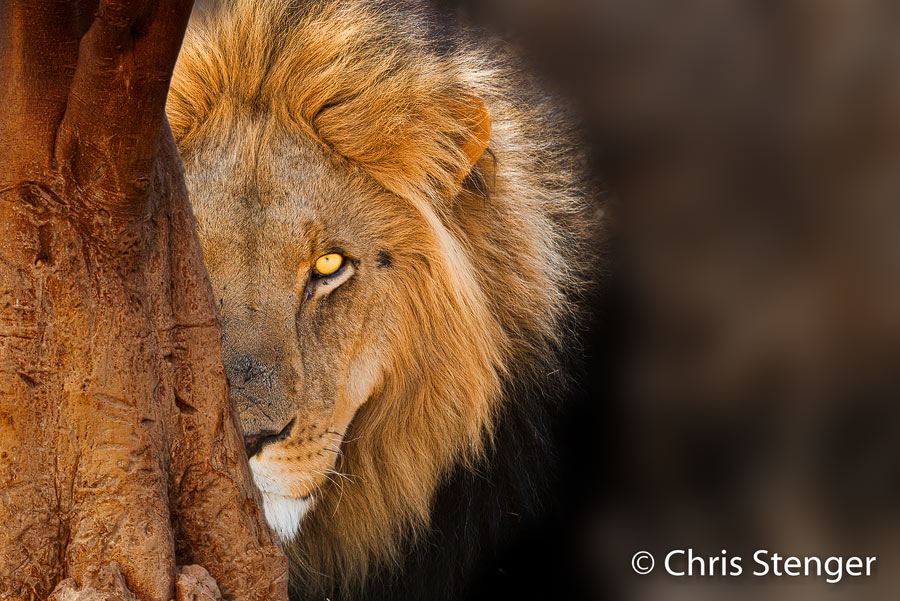
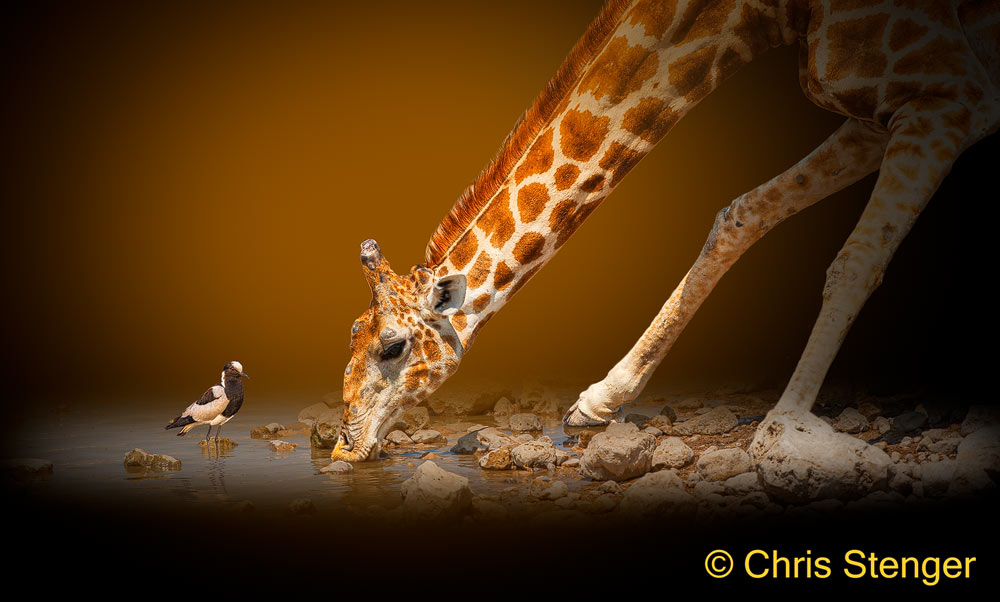
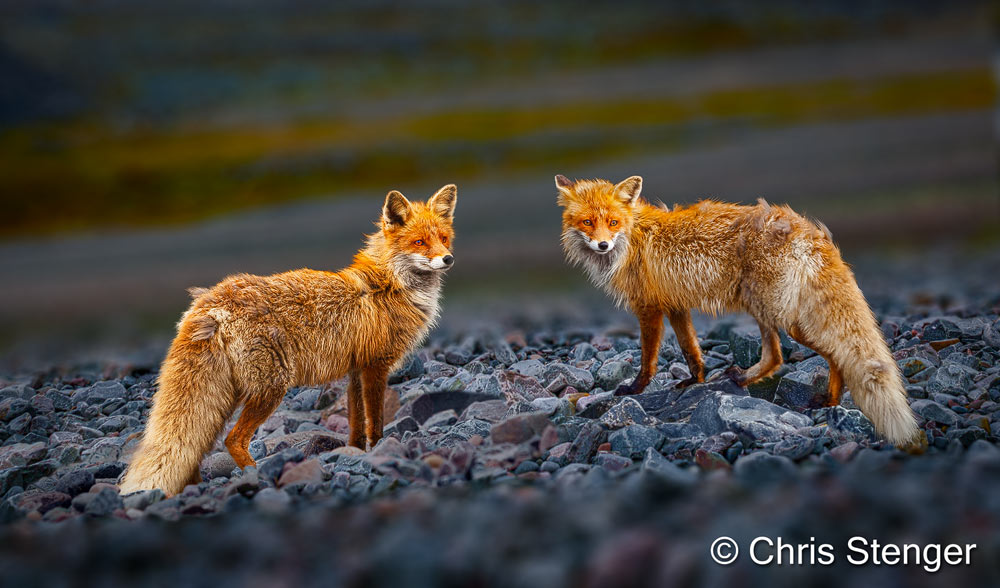
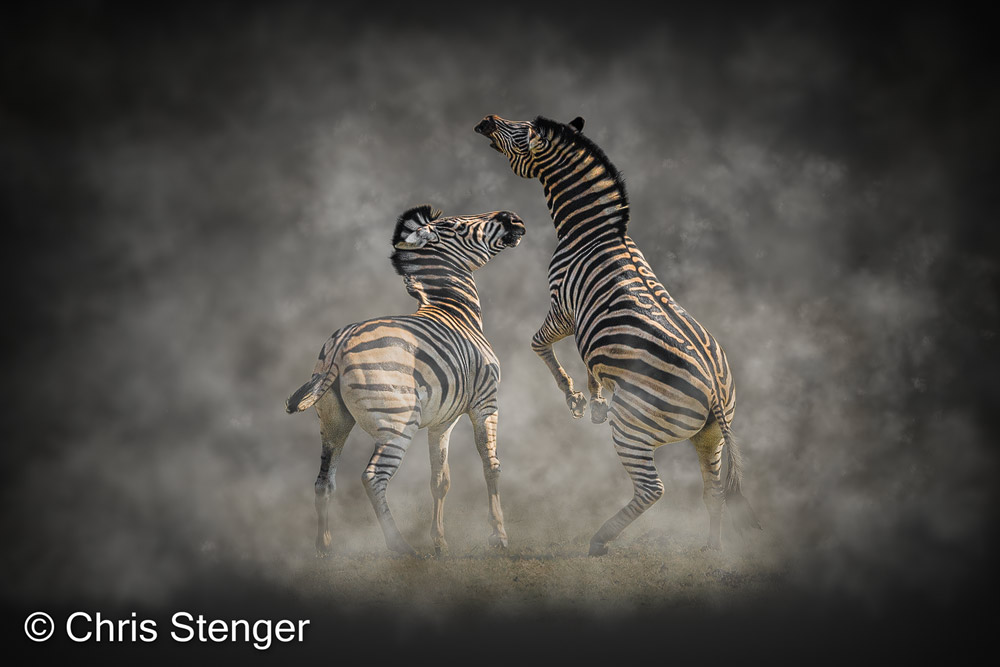
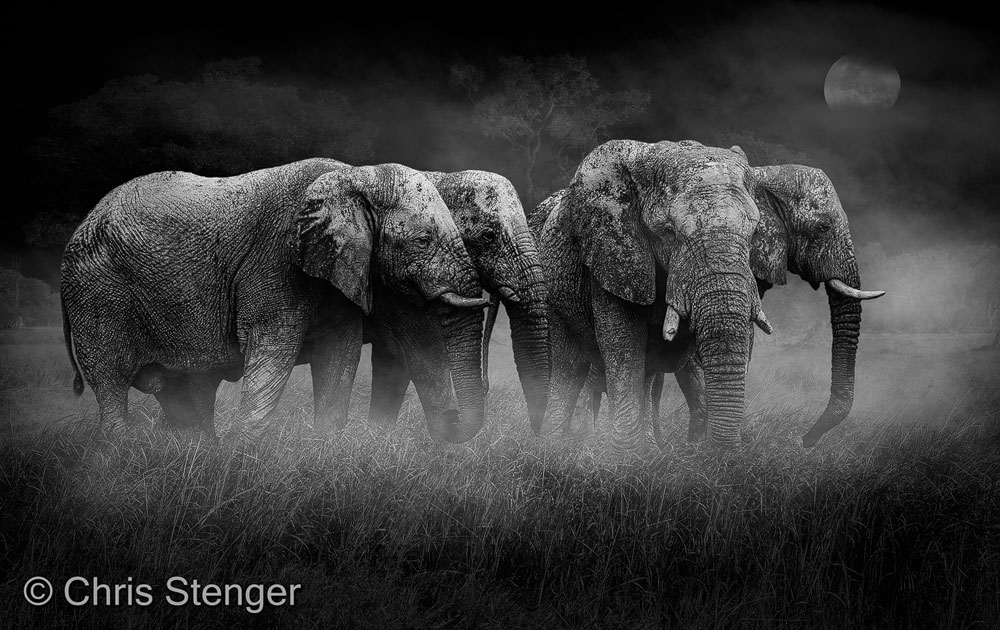
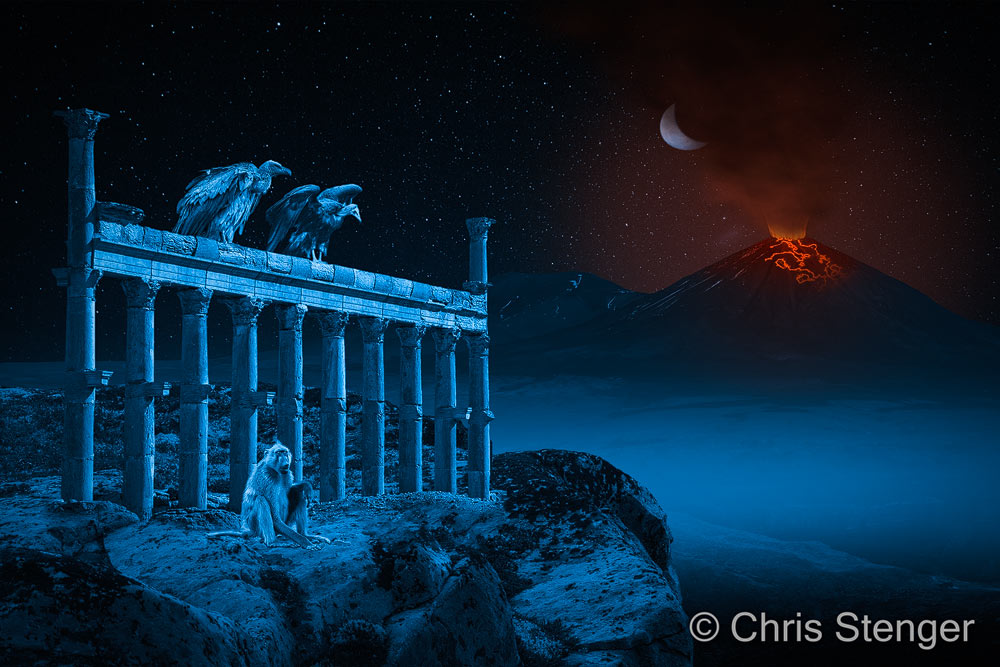
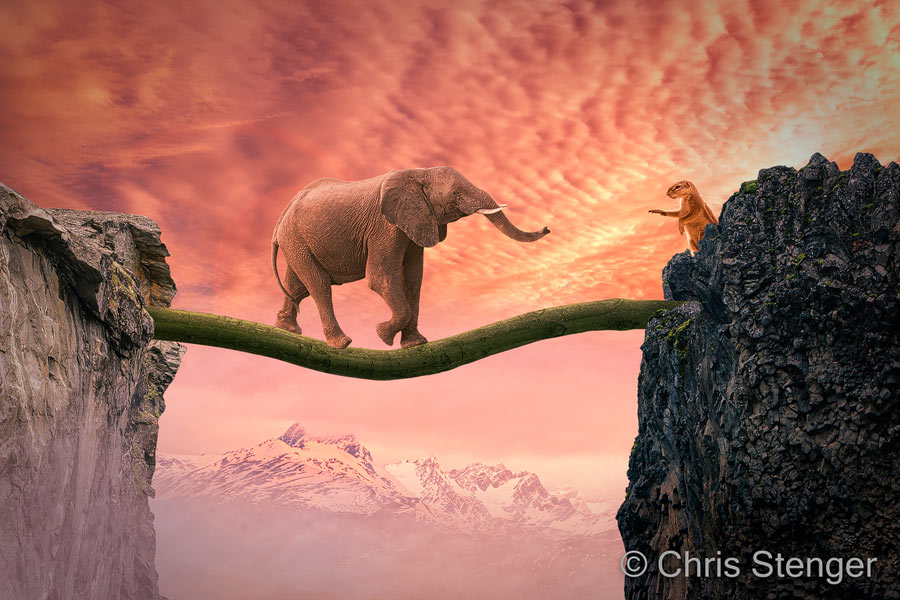
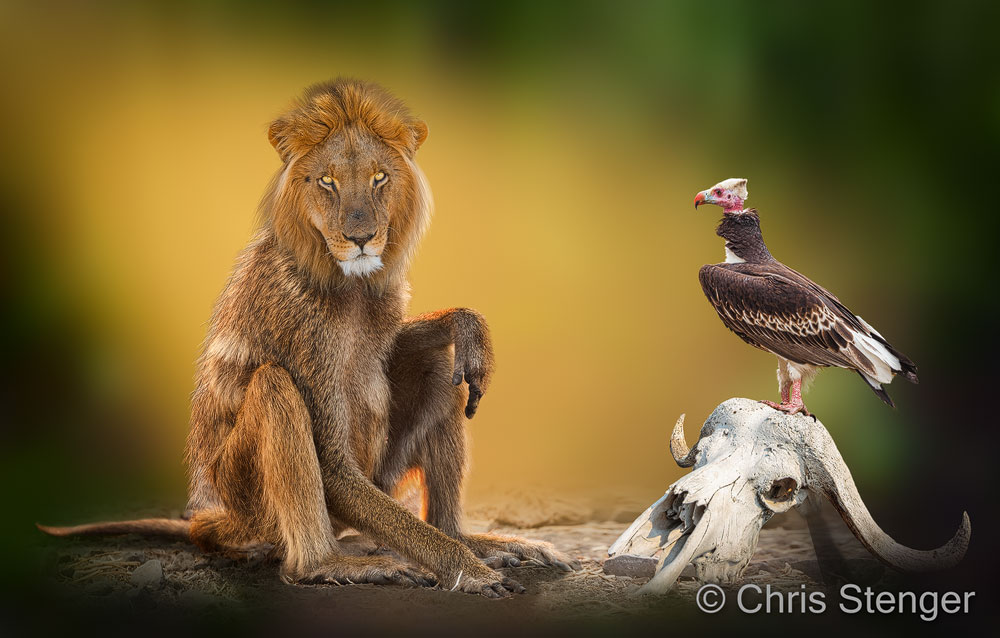
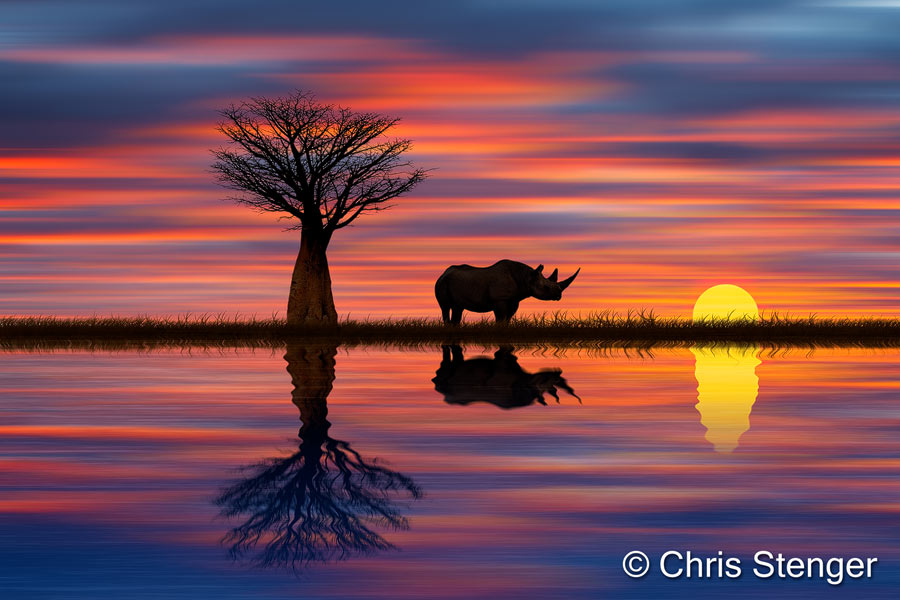
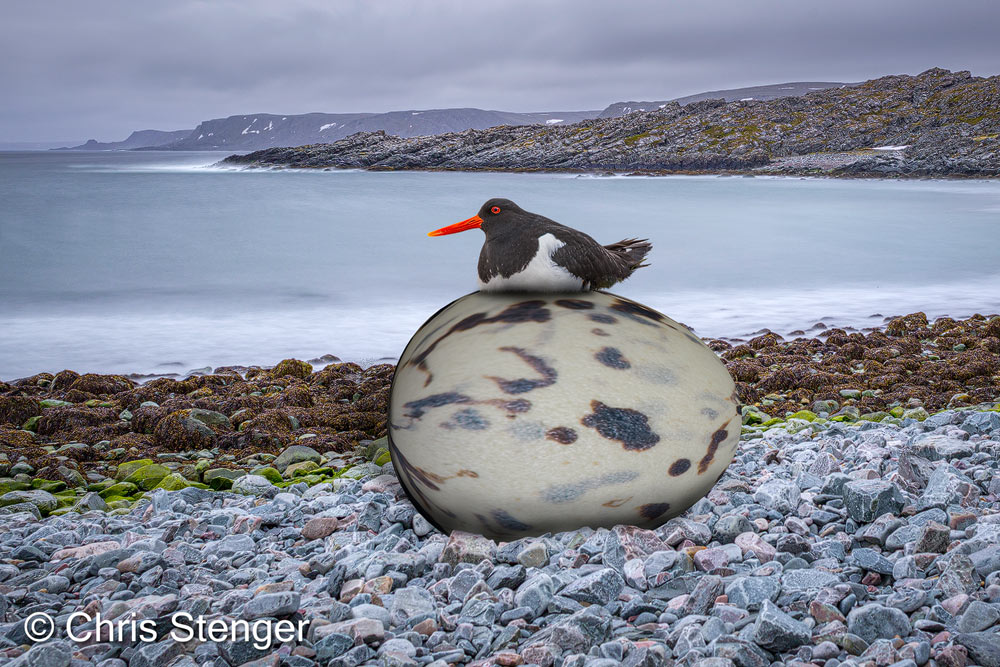
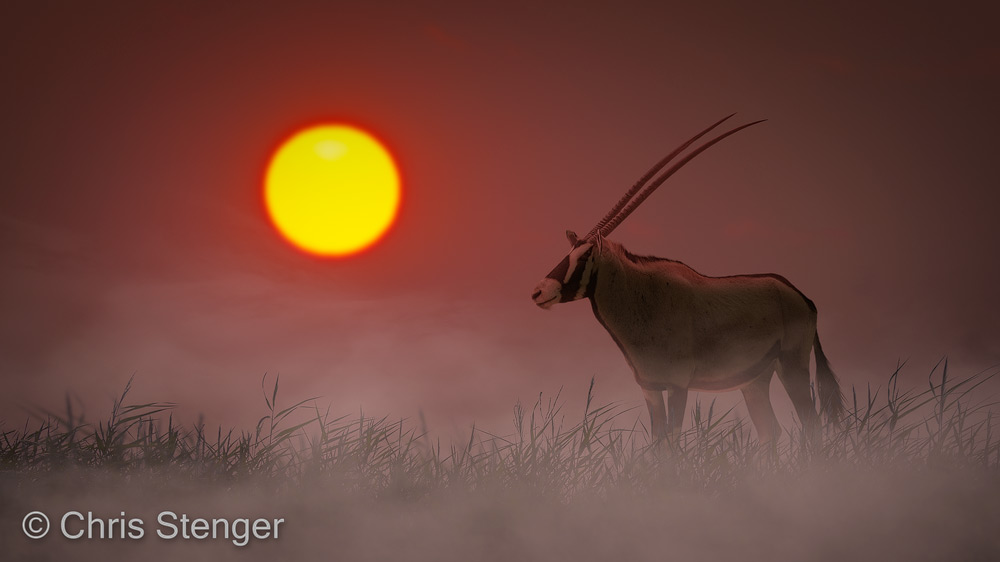
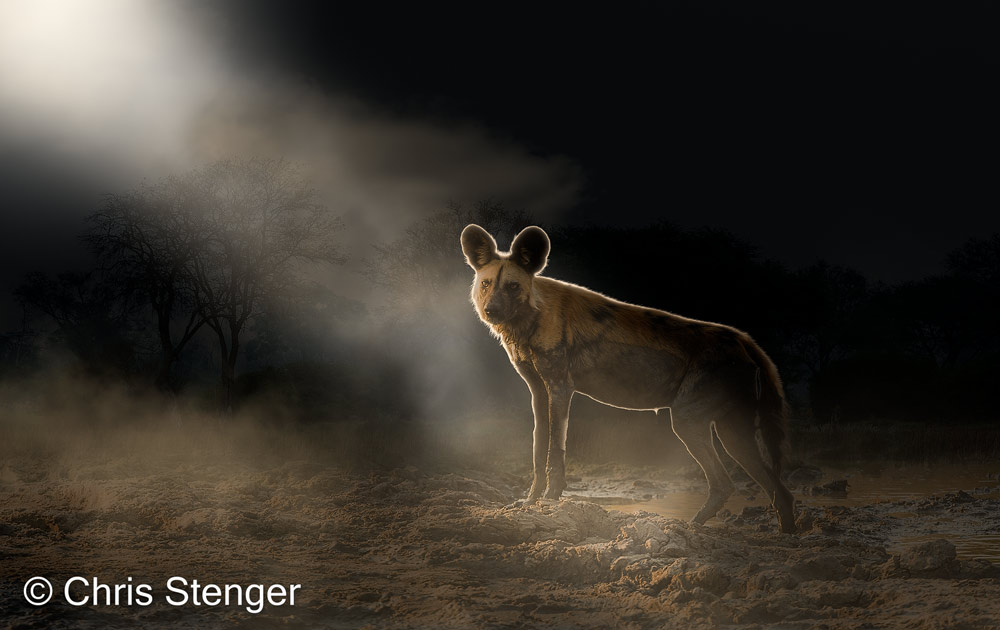
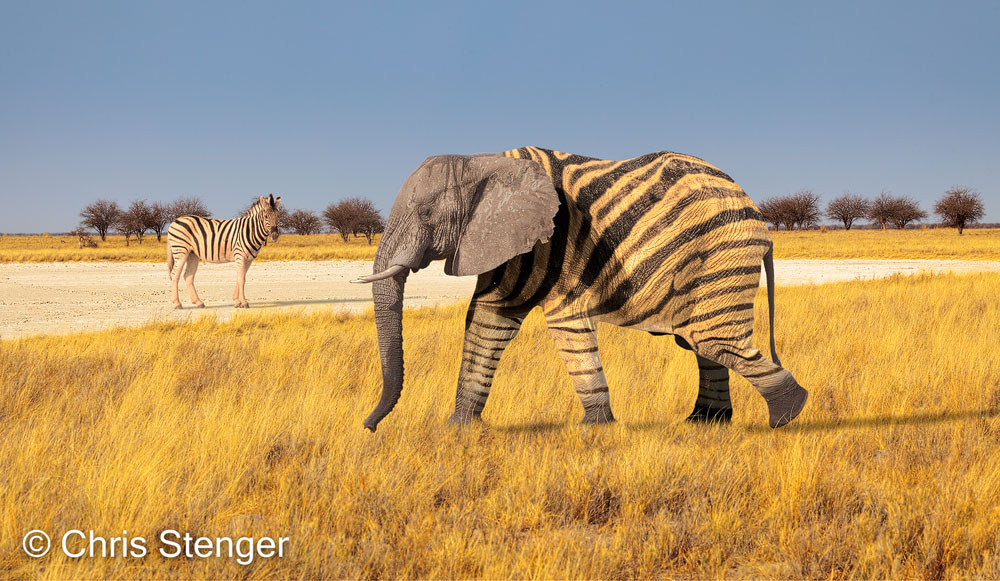
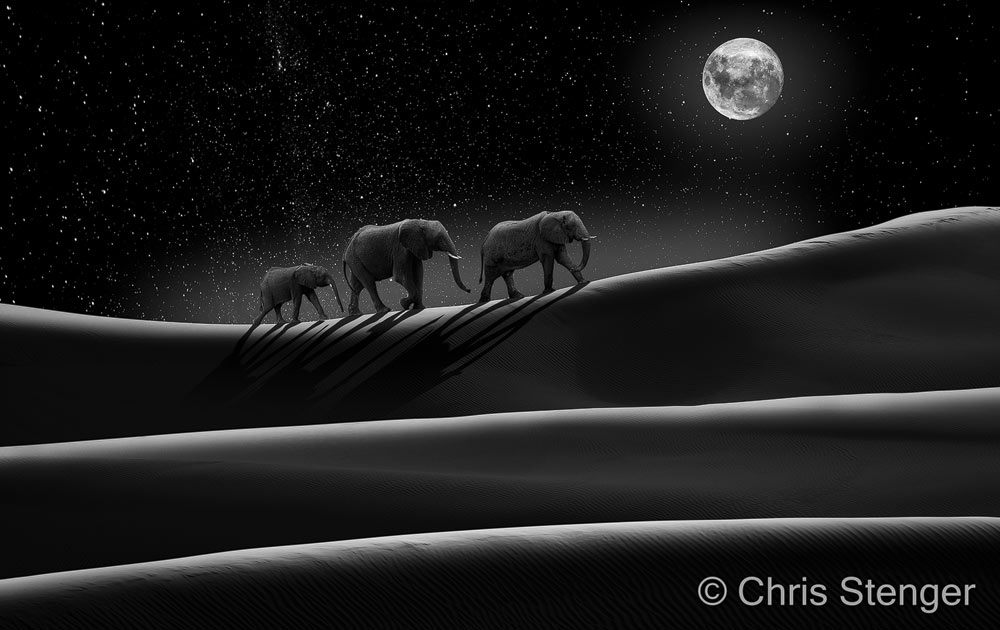
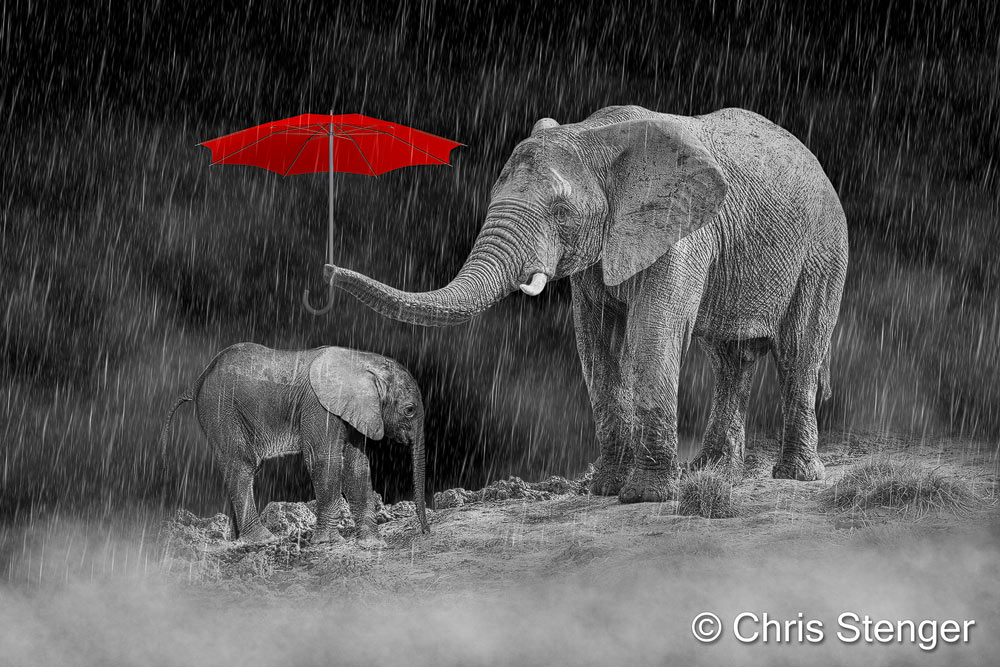
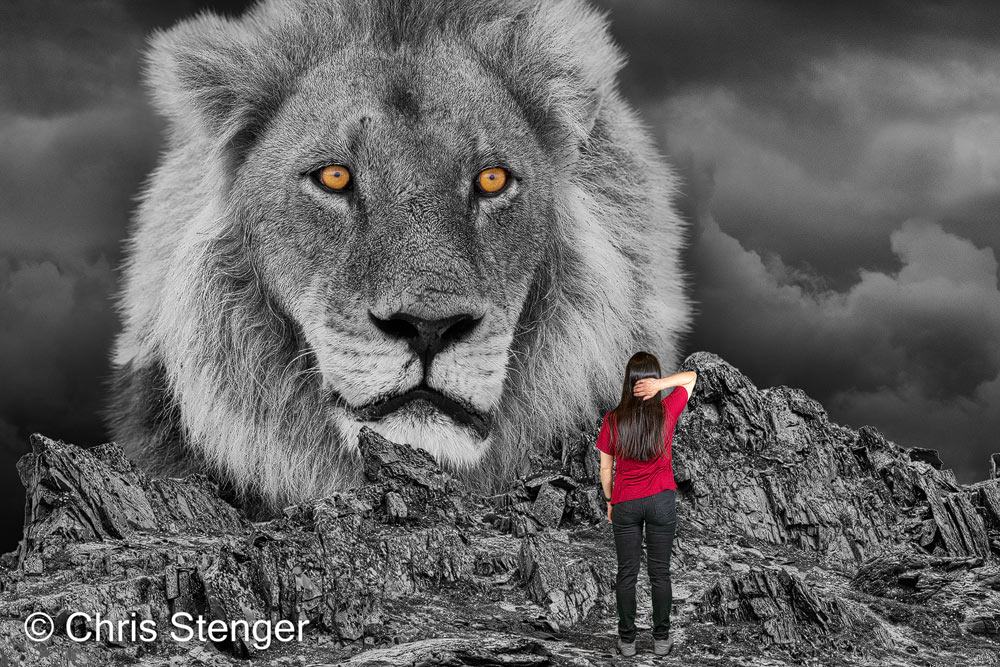
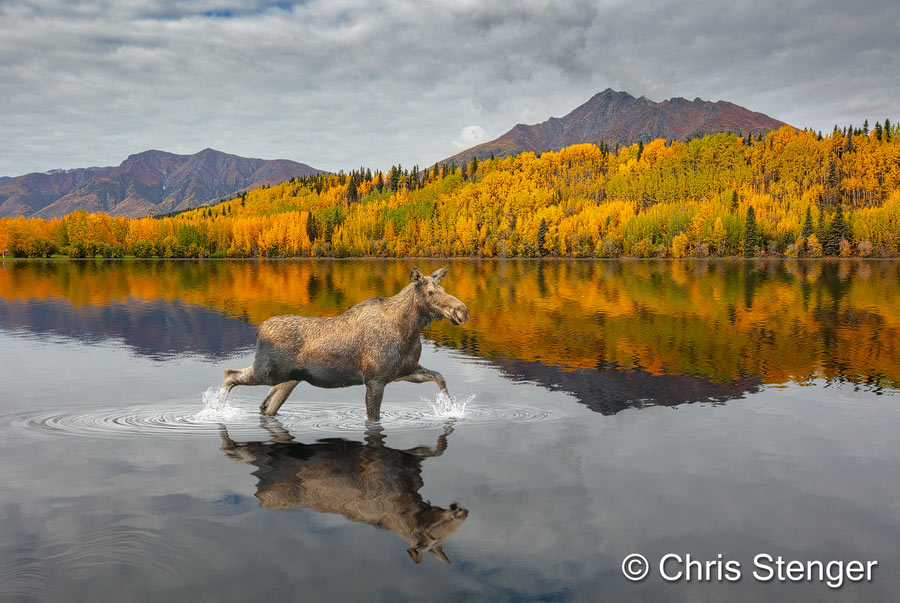
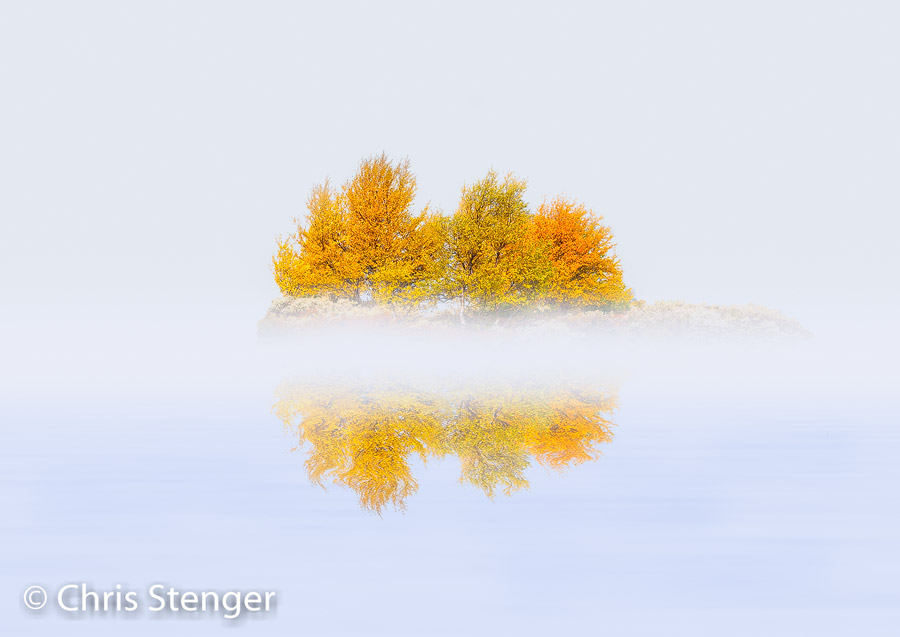
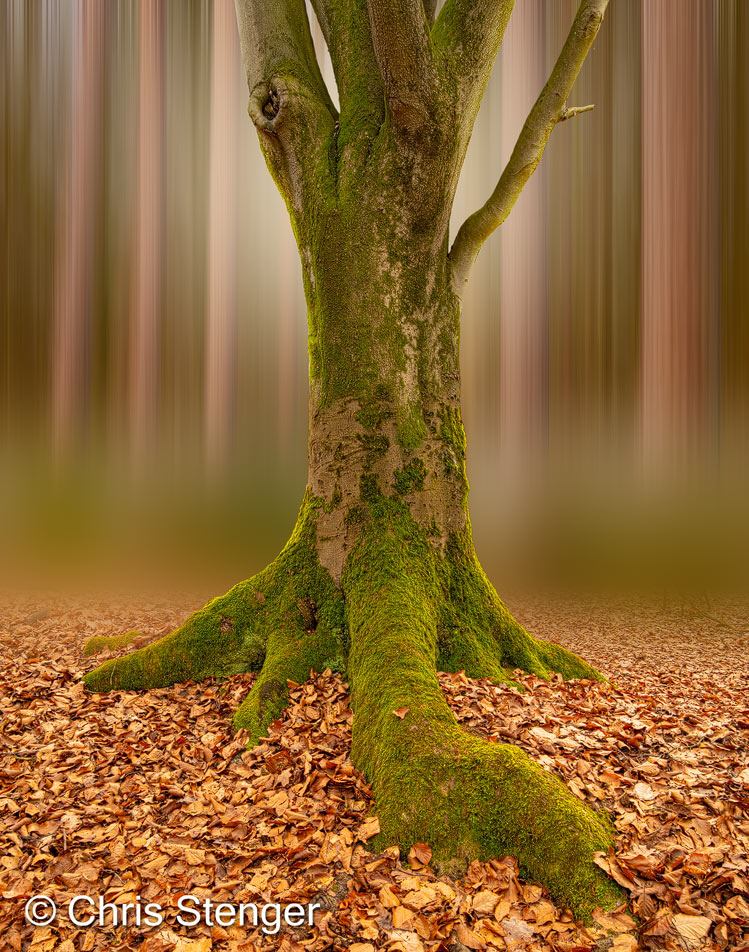
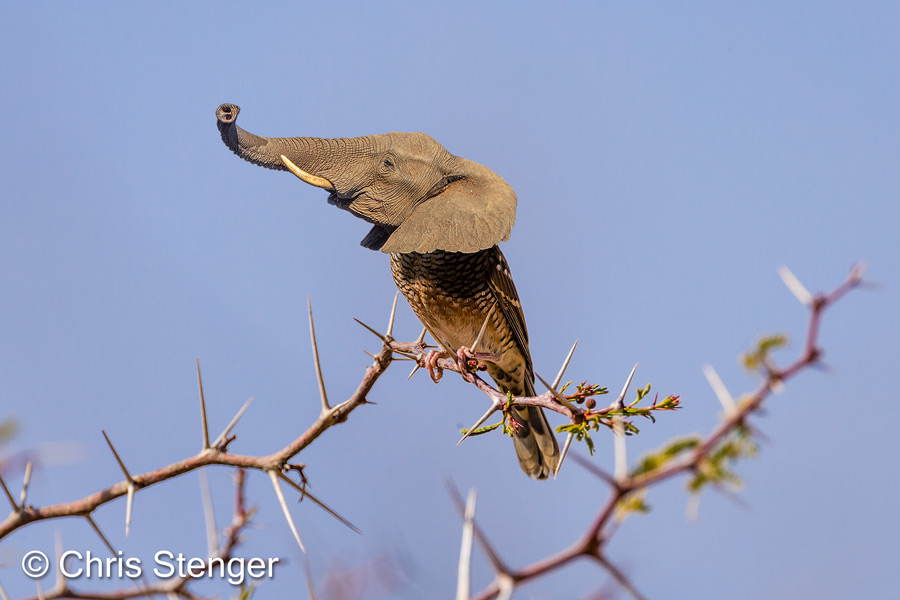
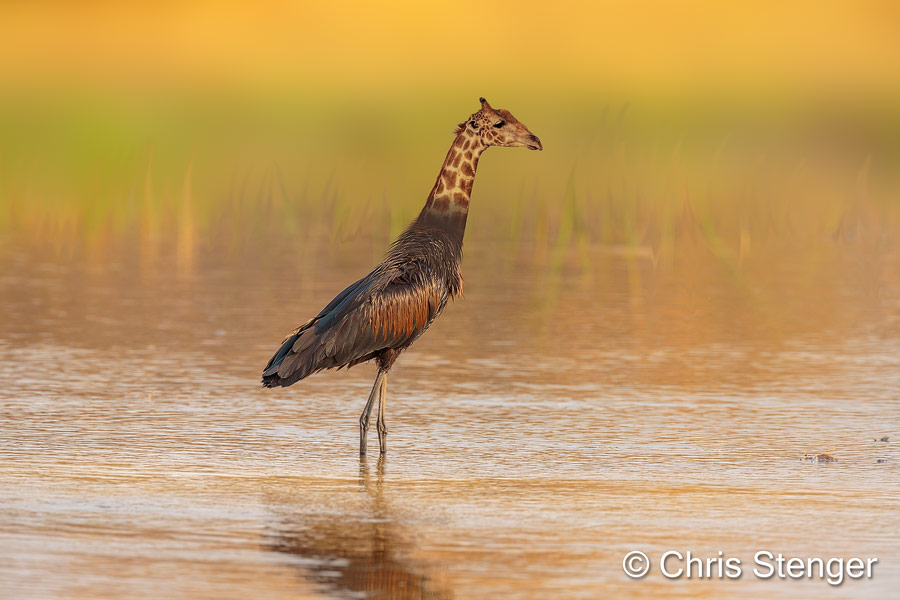
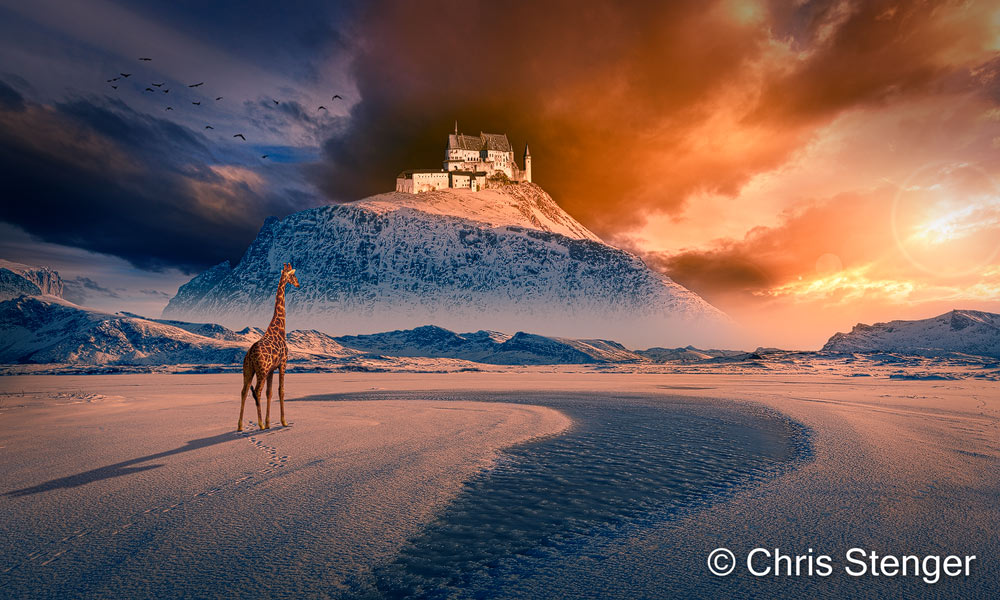
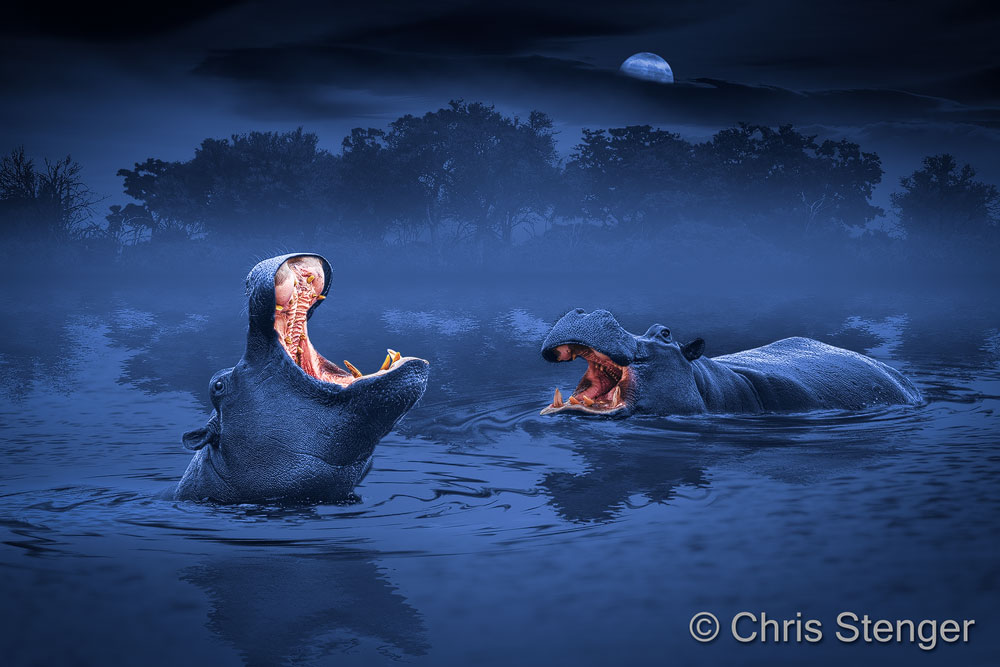
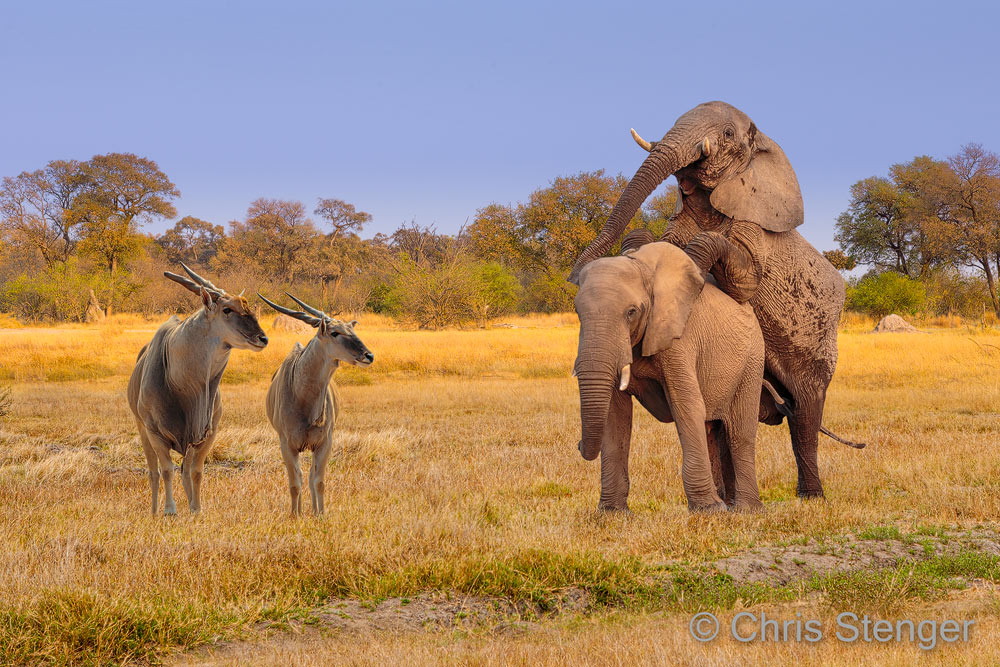
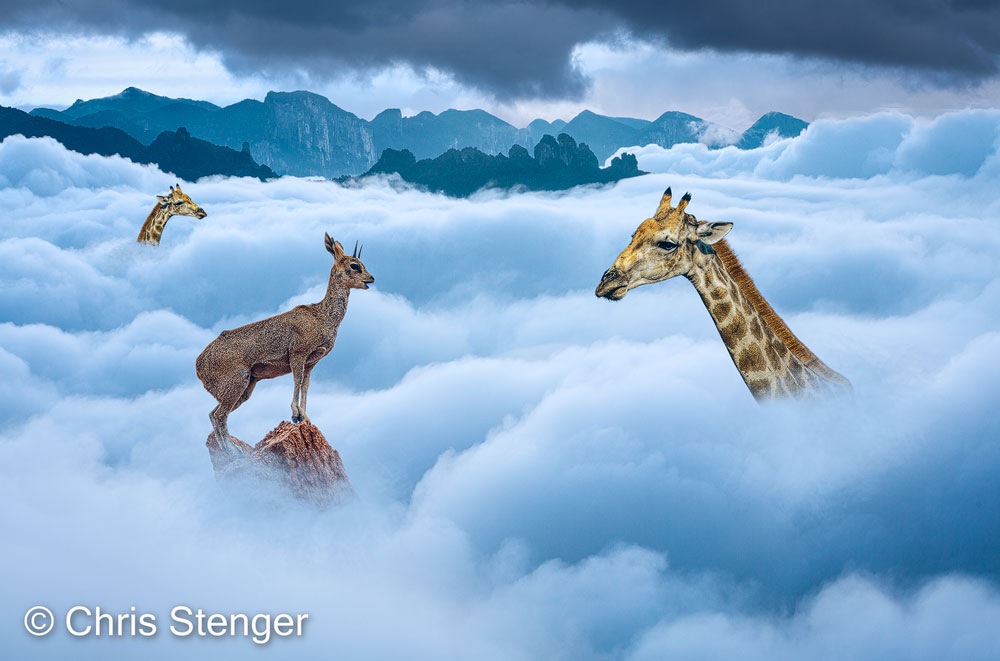
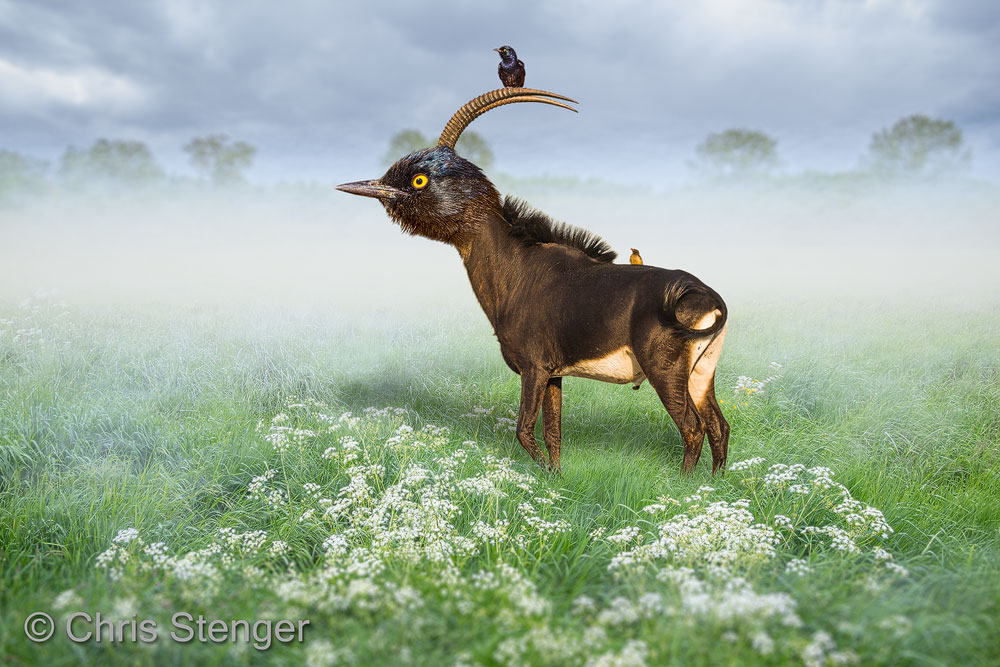
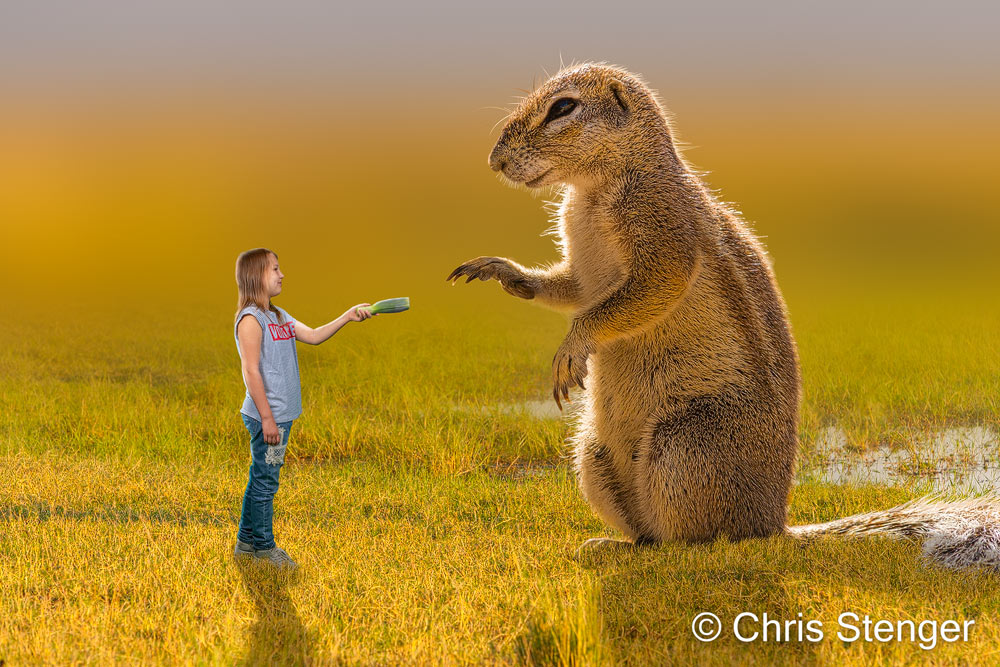
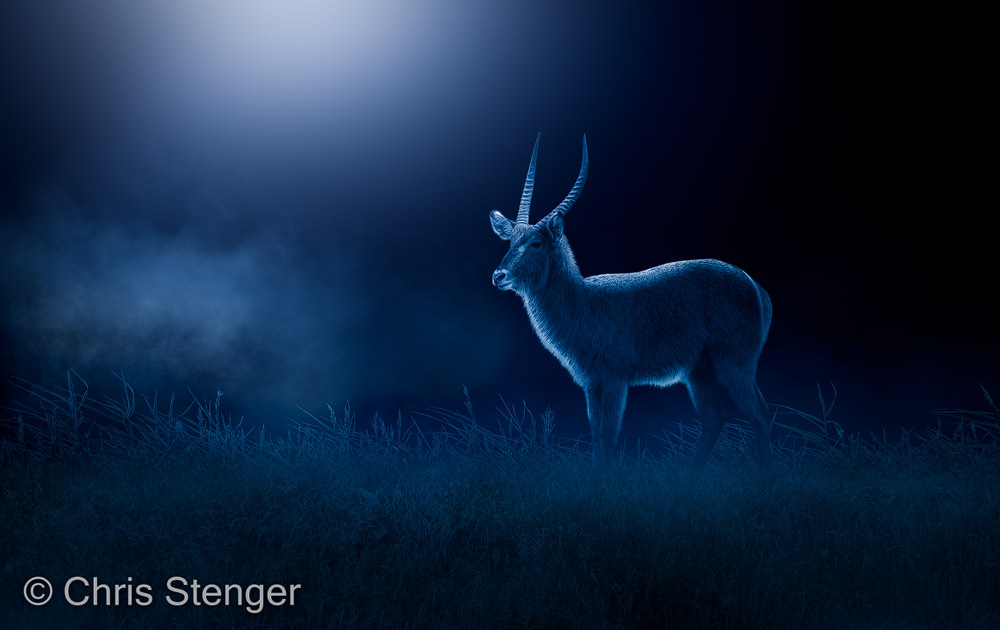
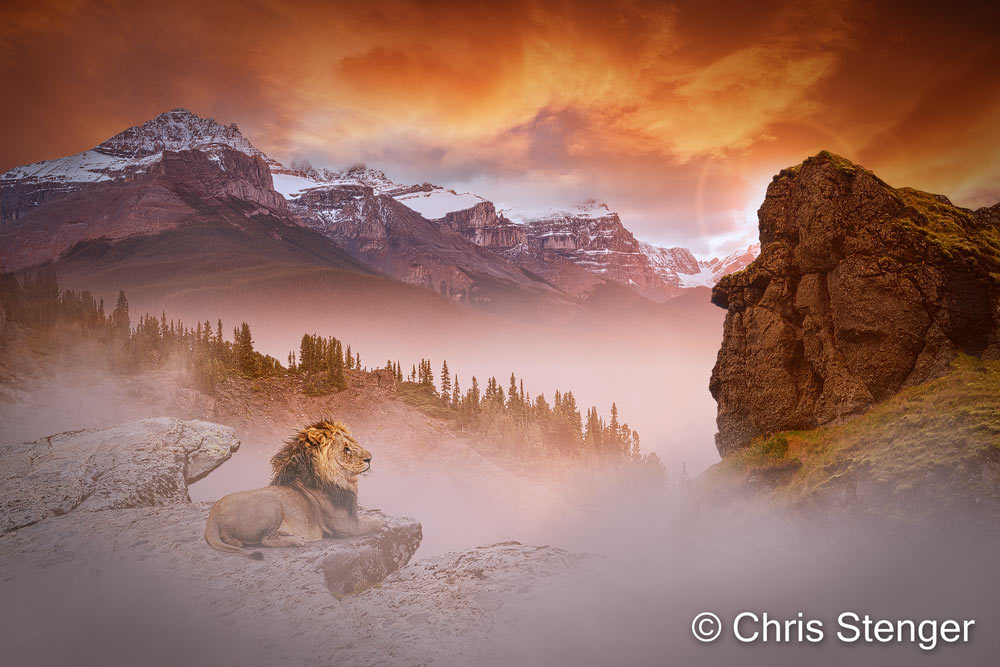
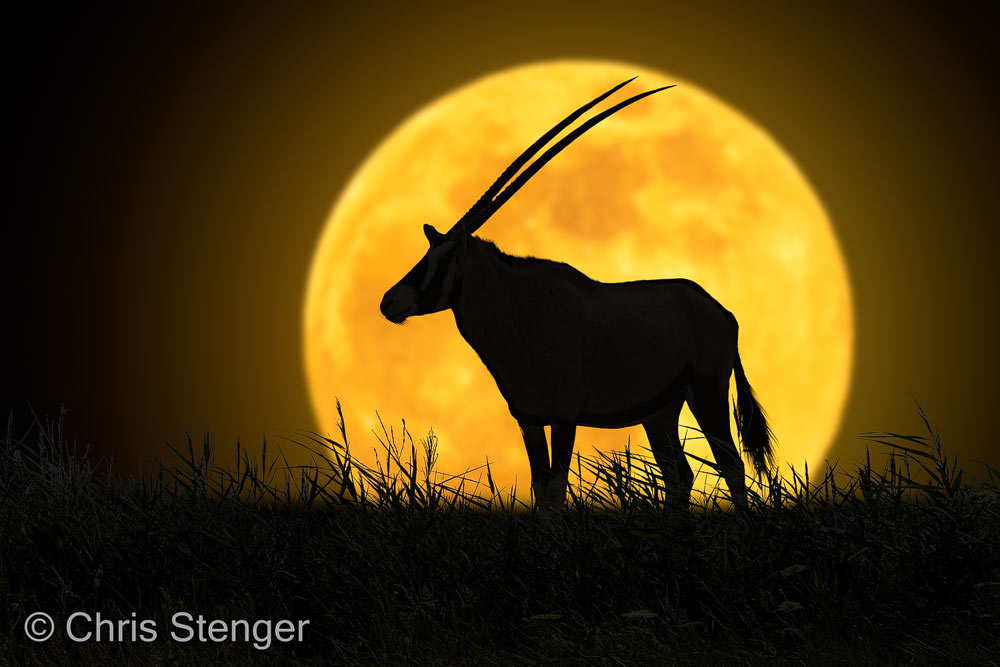
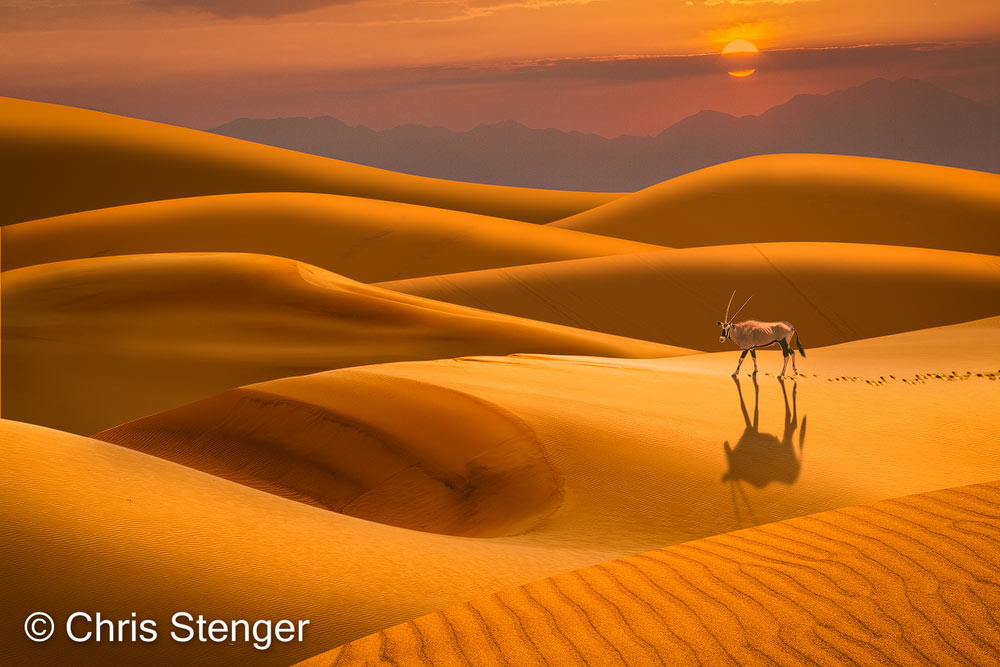
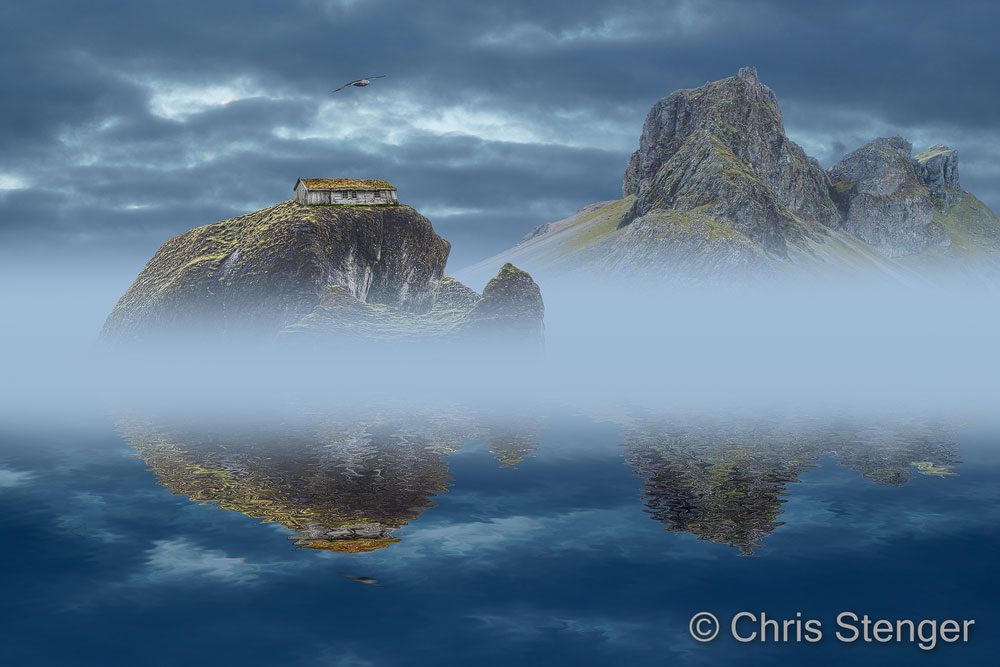
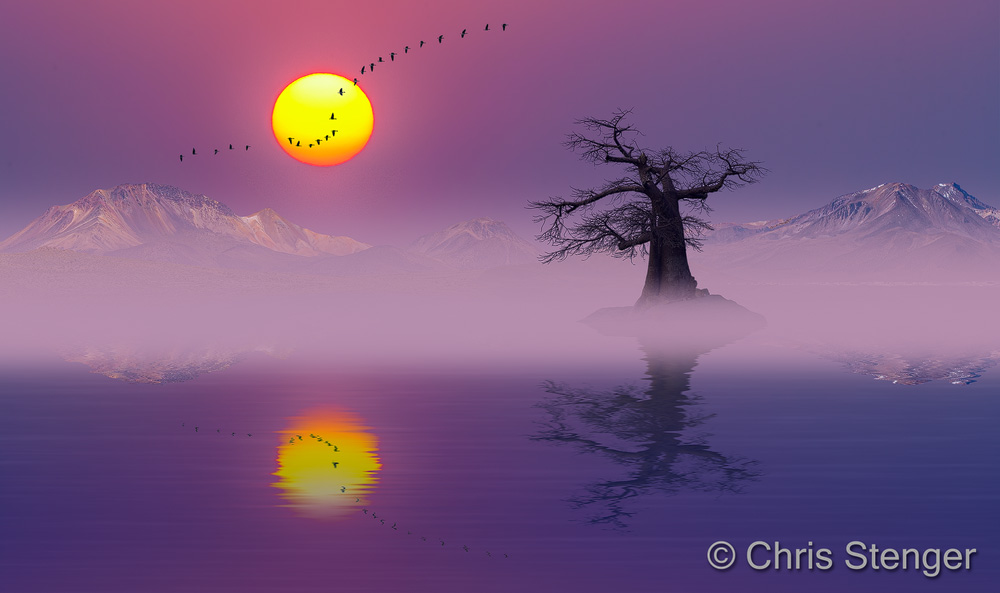
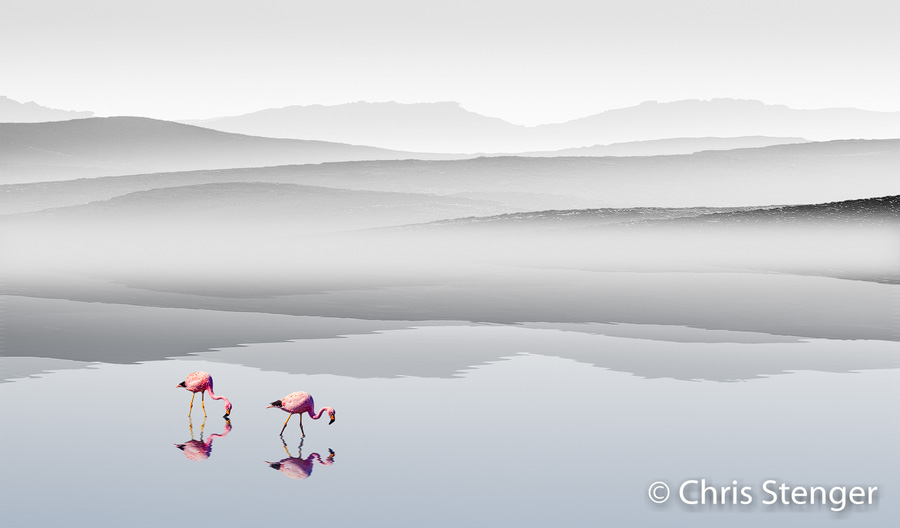
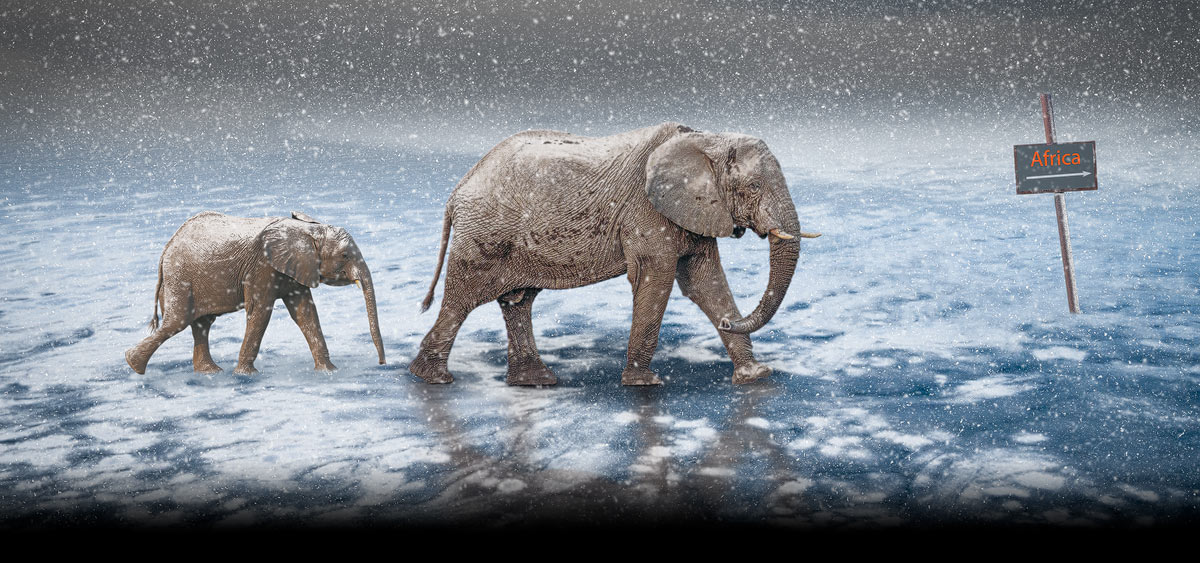
Composites are images composed of (parts of) various photographs. For the ‘hard-core’ nature photographer, composite images are an abomination. After all one should depict nature without altering the image in any way. In this view, you can remove a few specks of dust and reduce noise. During editing, you may dodge or burn here and there, and you may crop the image to improve the composition. All other edits and manipulations are strictly forbidden. Well, then you look around on the internet and see all those beautiful nature photographs! However, increasingly, you also come across the same similar images over and over again. I still enjoy them. At the same time, that beautiful coastal landscape photographed with a long exposure does start to get a bit boring when you have already seen thousands of them.
Composite images; everything allowed?
Should a photograph always represent reality? Or is it acceptable to modify it creatively to to express a feeling or an idea? You can debate this endlessly. Consequently, there is plenty of discussion on this subject on the internet. See, for example, this article from 2015 by Ignacio Palacios.
Of course, I have thought about it, and my approach is that anything is allowed. However, you do have to be honest about what you have done. What weighs heavily for me is the fact that a photograph never truly represents reality. Every photo, edited or not, is always a more or less creative representation of reality. Furthermore, the enormous creative possibilities offered by photo editing trigger my imagination. You can create surreal images. You can create worlds that do not exist. Examples that appeal to me in this regard are the images of Ryszard Horowitz or, closer to home in the Netherlands, Marcel van Balken. The creative possibilities are endless! Why would I let them pass me by?
Composites only?
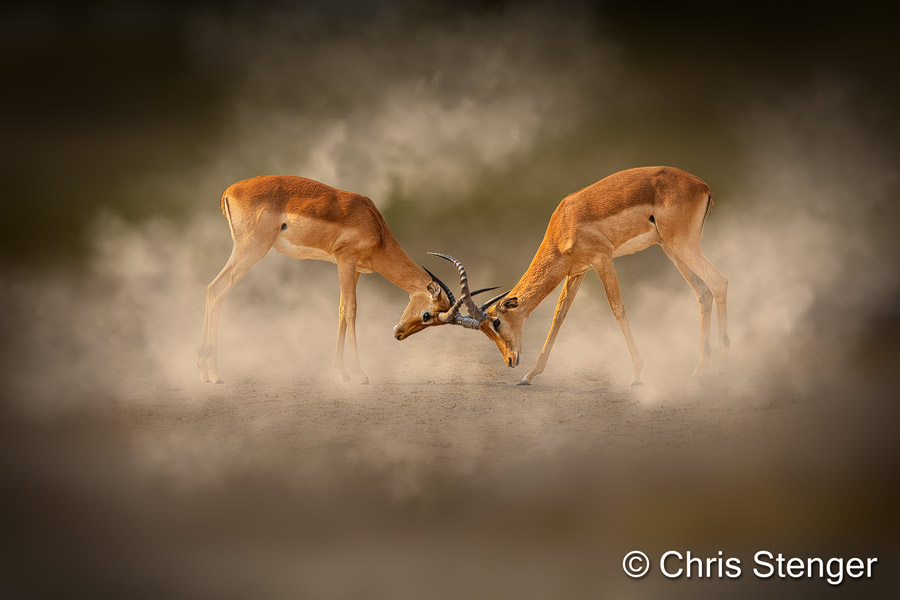
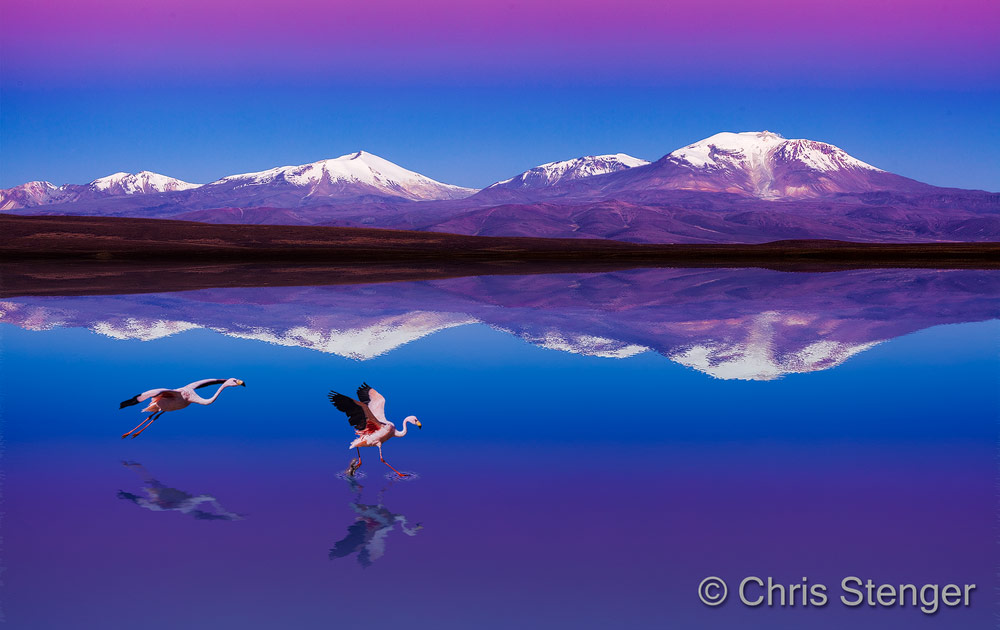
No, of course not. I still enjoy beautiful images with minimal editing. I also participate frequently in international photography competitions. Strong editing is not allowed for photos submitted in the ‘nature’ or ‘travel’ categories. Therefore, photos I submit in these categories are free from any form of manipulation – although I sometimes get the impression that not all participants adhere to the rules equally well in this regard. Photos in the ‘open’ or ‘creative’ categories, however, have no restrictions, and there I can submit my composite images.
For me there is one more important criterion when I create a composite. All (parts of) images I use, must be photographed by myself. This is also an important criterion that international organizations such as FIAP and PSA use for contests organised under their supervision. You can download photos of all kinds of subjects for free from websites like Pixabay and Unsplash. Many image editors and artists use such images. I know this from personal experience because I offer some photos for free via these sites myself. Sometimes I receive feedback from people who have used my photos. To practice a bit, I occasionally use images from free stock sites. In the final result, however, I use exclusively photos that I have shot myself!